| В |
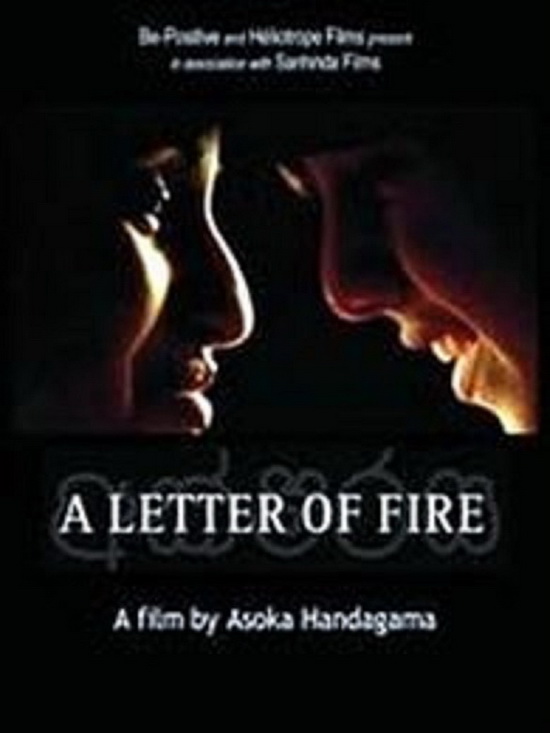
Название: Огненное письмо
Оригинальное название: Aksharaya / A Letter of Fire
Год выхода: 2005
Жанр: драма
Режиссёр: Asoka Handagama
В ролях:
Isham Samzudeen, Piyumi Samaraweera, Ravindra Randeniya, Saumya Liyanage, Jayani Senanayake, Prasannajith Abesuriya, Somasiri Alakolange, Deshith Gamage, Gayani Gisanthika, Dinithi Sevwandi
Описание:
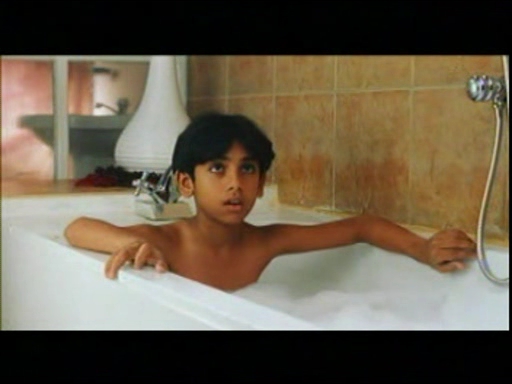
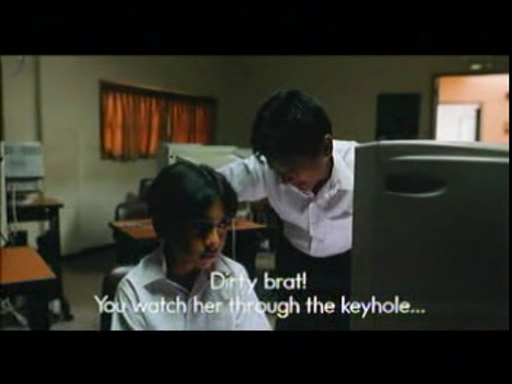
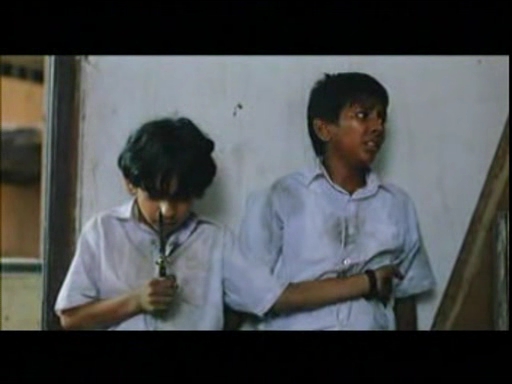
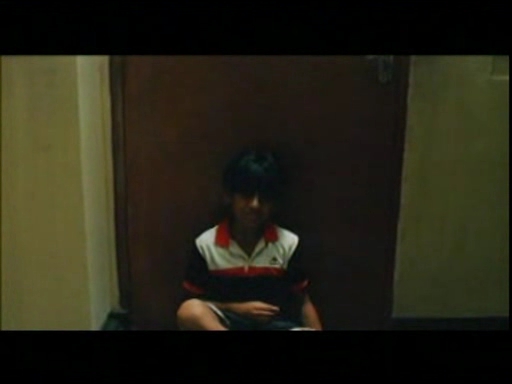
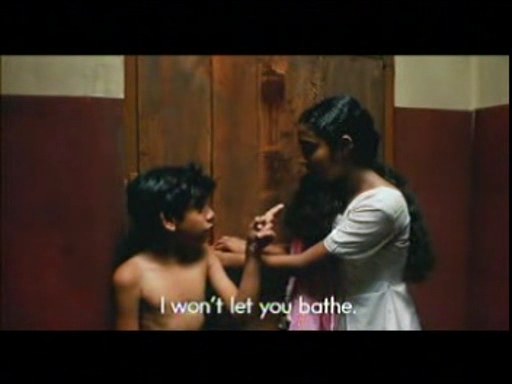
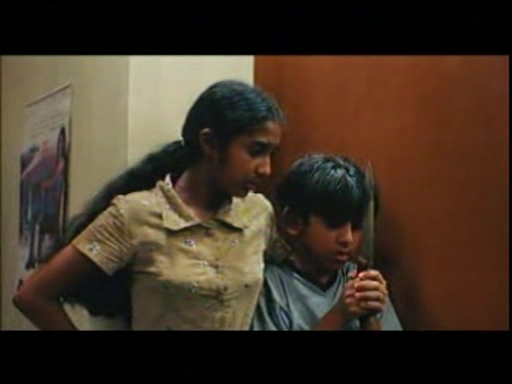
12-летний мальчик, прячась с другом от воображаемого преследователя, убивает проститутку, коротавшую время в пустом здании. Его мать, занимающая пост городского судьи, на время расследования прячет сына в квартире музейного охранника, который наткнулся на ребенка после бегства того с места происшествия. Но не все так просто — женщина испытывает к своему сыну вовсе не материнские чувства. Мальчик, привыкший спать с матерью и не способный заснуть без обнаженного женского тела рядом, начинает терроризировать дочь охранника. А в прошлом его матери и отца, бывшего члена Верховного Суда, имеется какая-то страшная тайна, сводящая с ума и мужчину, и женщину…
Dabbe: The Possession Sub Indo -
This aesthetic is particularly effective for the "Sub Indo" viewing experience. When subtitles are present, the viewer’s eye is constantly darting between the bottom of the screen and the chaotic action above. The found-footage style exploits this divided attention. The horror often occurs in the peripheral darkness of the frame: a shadow moving in the background, a reflection in a mirror that doesn’t match the person, or a sudden, contortionist movement just as the subtitle ends. The film masters the art of the slow burn, using long, static takes of Kübra’s possessed face. Without the relief of cinematic editing, the audience is trapped with her, reading her agony through the text at the bottom of the screen. This creates an almost suffocating intimacy. One of the film’s most terrifying innovations is its depiction of possession as contagious. Dabbe suggests that the Jinn does not merely occupy a single victim but infects the environment and the community. The famous "cue card" scene—where a character holds up cards that spell out terrifying messages in reverse—is a masterclass in this. The film also introduces the concept of a "Jinn mark" (a symbol carved into flesh) and the horrifying reality that the possessed can contort their bodies in ways that violate human anatomy (e.g., the infamous back-bending scene).
The title itself, Dabbe , refers to a monstrous, apocalyptic creature from the Quran (a "Beast of the Earth") that will emerge before the Day of Judgment. By invoking this specific lore, Karacadağ elevates the film from a simple exorcism story to a cosmic battle with pre-apocalyptic stakes. For the Sub Indo audience, many of whom reside in the world’s largest Muslim-majority nation, this context is not fantasy—it is religious reality. The film’s use of ruqyah (Islamic exorcism), the recitation of Ayat-ul-Kursi , and the desperation of the characters feel less like fiction and more like a documented case study of forbidden spiritual warfare. The subtitles do not need to translate fear; they only need to translate the prayers, and the cultural weight does the rest. Dabbe: The Possession employs the found-footage style not as a gimmick, but as a weapon. Unlike the polished, cinematic look of Western horror, the grainy, shaky, and poorly-lit frames of Dabbe mimic consumer-grade camcorders and mobile phones. The film follows a filmmaker, Ömer, and a religious exorcist, Faruk, as they investigate a possessed young woman, Kübra. The horror unfolds through diegetic cameras—the characters record everything, and the audience is forced to witness the degradation in real-time. dabbe: the possession sub indo
For the Indonesian viewer, this concept resonates deeply. In Javanese and broader Nusantara mysticism, possession is often seen as a spiritual contagion linked to angker (eerie) places or pelet (black magic). Dabbe bridges Turkish büyü (black magic) with these Southeast Asian beliefs. The Sub Indo translation localizes terms like hodja (religious teacher) and cin (Jinn) in ways that align with the Indonesian ustad or dukun . Consequently, the film’s climax—which moves from a mundane apartment to a desolate, blood-soaked barn—feels less like a set piece and more like a journey into a cursed kuburan (grave site). The horror is not external; it is ancestral, spiritual, and deeply personal. Despite its effectiveness, Dabbe: The Possession is not without flaws. The pacing, typical of the found-footage genre, can be excruciatingly slow, and some performances—particularly the non-possessed supporting characters—stray into melodrama. Furthermore, the heavy reliance on subtitle translation for its theological exposition means that non-Muslim or non-Indonesian viewers might miss the nuance of the Quranic references. The "Sub Indo" label, while opening the film to a massive audience, also highlights a cultural gap; some of the film’s terror relies on an inherent fear of jinn that may not translate to a secular viewer. The ending, bleak and nihilistic, offers no catharsis, which can leave audiences feeling frustrated rather than satisfied. Conclusion Dabbe: The Possession (Sub Indo) is more than a horror movie; it is a cultural artifact that successfully exports Turkish-Islamic folklore to the world’s largest Muslim audience. By rejecting the tired tropes of Western demonic possession, Hasan Karacadağ crafts a nightmare that is theologically specific yet universally terrifying in its depiction of helplessness. The grainy found-footage aesthetic, combined with the silent, textual guidance of Indonesian subtitles, forces the viewer to become an active participant in the exorcism. We are not watching Kübra’s destruction from a safe distance; we are reading her last words, frame by agonizing frame. In the end, Dabbe does not ask you to believe in ghosts. It asks you to remember that, according to ancient texts, the Beast of the Earth is already here. And it is watching you from the dark corners of your own home. This aesthetic is particularly effective for the "Sub
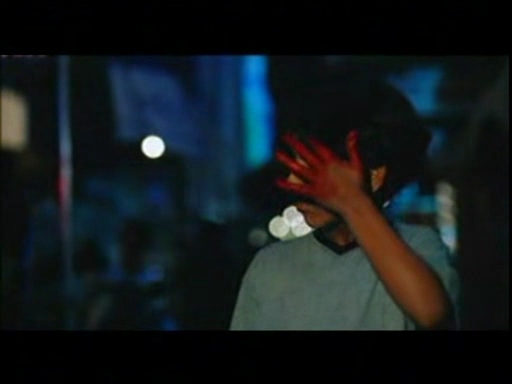
Скриншоты (WEB-Rip 1.41 GB)


- DVD-Rip (701 МB)
- WEB-Rip (1.41 GB)
Производство: Шри-Ланка, Франция (Be-Positive Media Group, HГ©liotrope Films) Продолжительность: 02:12:37 Язык: английский, сингальский Субтитры: английские встроенные неотключаемые ФайлФормат: MP4 Качество: DVD-Rip Видео: MPEG4 Video (H264), 640x272, 29.971 fps, 670 kbps Аудио: AAC, 48000 Hz, 2 ch, 64 kbps Размер: 701 МB Уважаемый пользователь, вам необходимо зарегистрироваться, чтобы посмотреть скрытый текст! Производство: Шри-Ланка, Франция (Be-Positive Media Group, HГ©liotrope Films) Продолжительность: 02:12:36 Язык: английский, сингальский Субтитры: английские встроенные неотключаемые ФайлФормат: AVI Качество: WEB-Rip Видео: MPEG4, 512x384, 29.97 fps, ~1970 kbps Аудио: ATSC/A-52, Dolby AC3, 2 ch, 192 kbps, 48 kHz Размер: 1.41 GB Уважаемый пользователь, вам необходимо зарегистрироваться, чтобы посмотреть скрытый текст!
Скачать Огненное письмо / Aksharaya / A Letter of Fire (2005) Шри-Ланка, Франция DVD-Rip + WEB-Rip
В (Голосов: 9)
|
В |


 В Огненное письмо / Aksharaya / A Letter of Fire (2005) Шри-Ланка, Франция DVD-Rip + WEB-Rip


 В В В Plot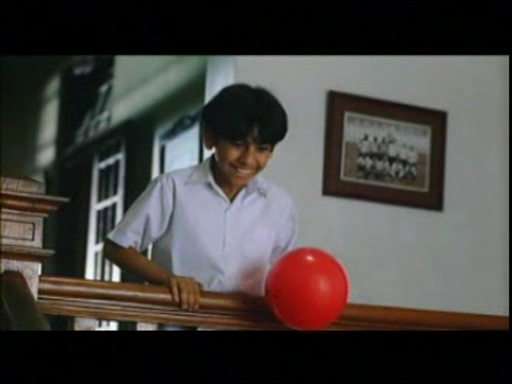














 В В В В