
A cross platform, customizable graphical frontend for launching emulators and managing your game collection.
A cross platform, customizable graphical frontend for launching emulators and managing your game collection.
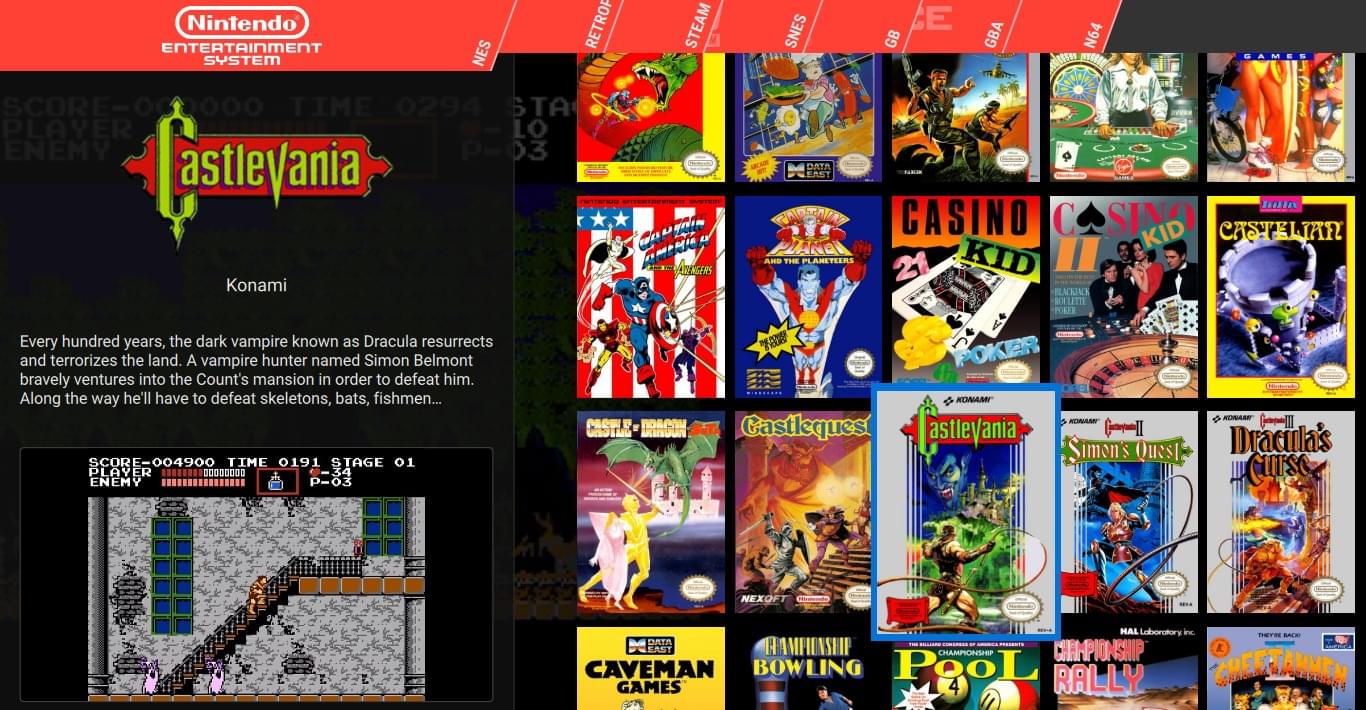
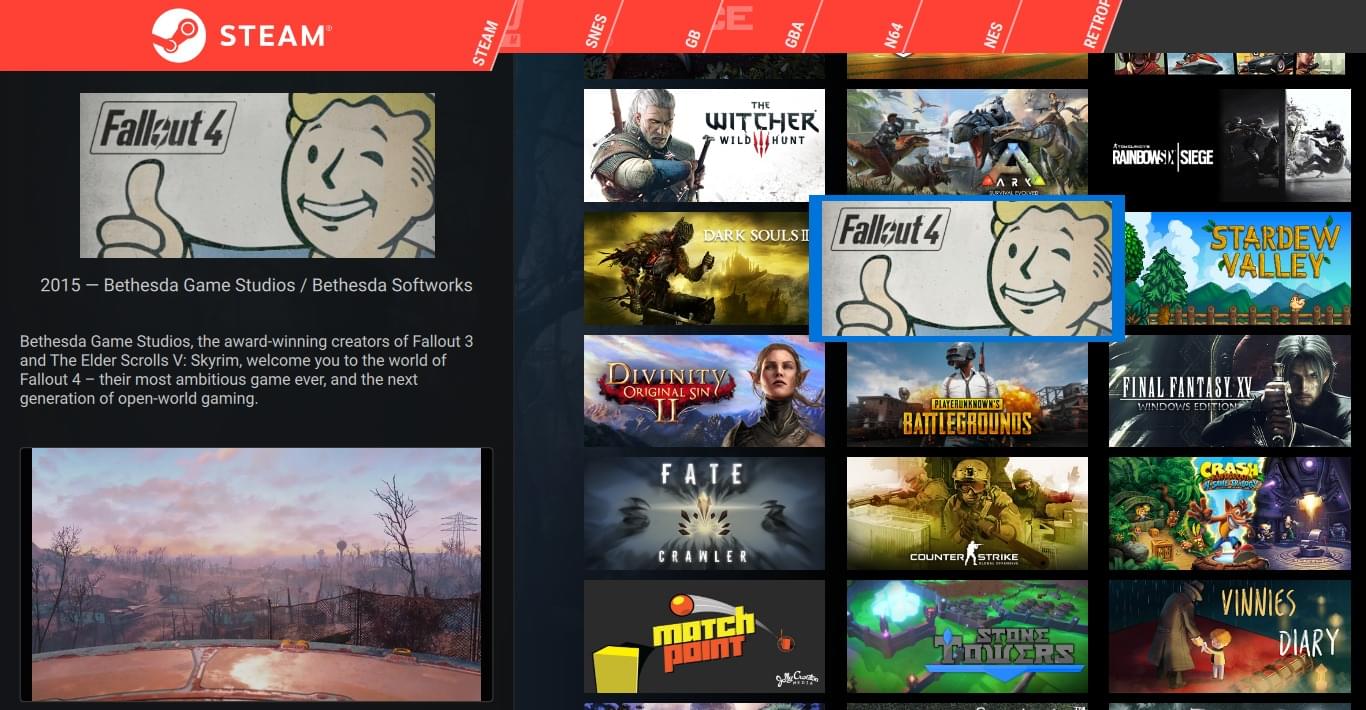
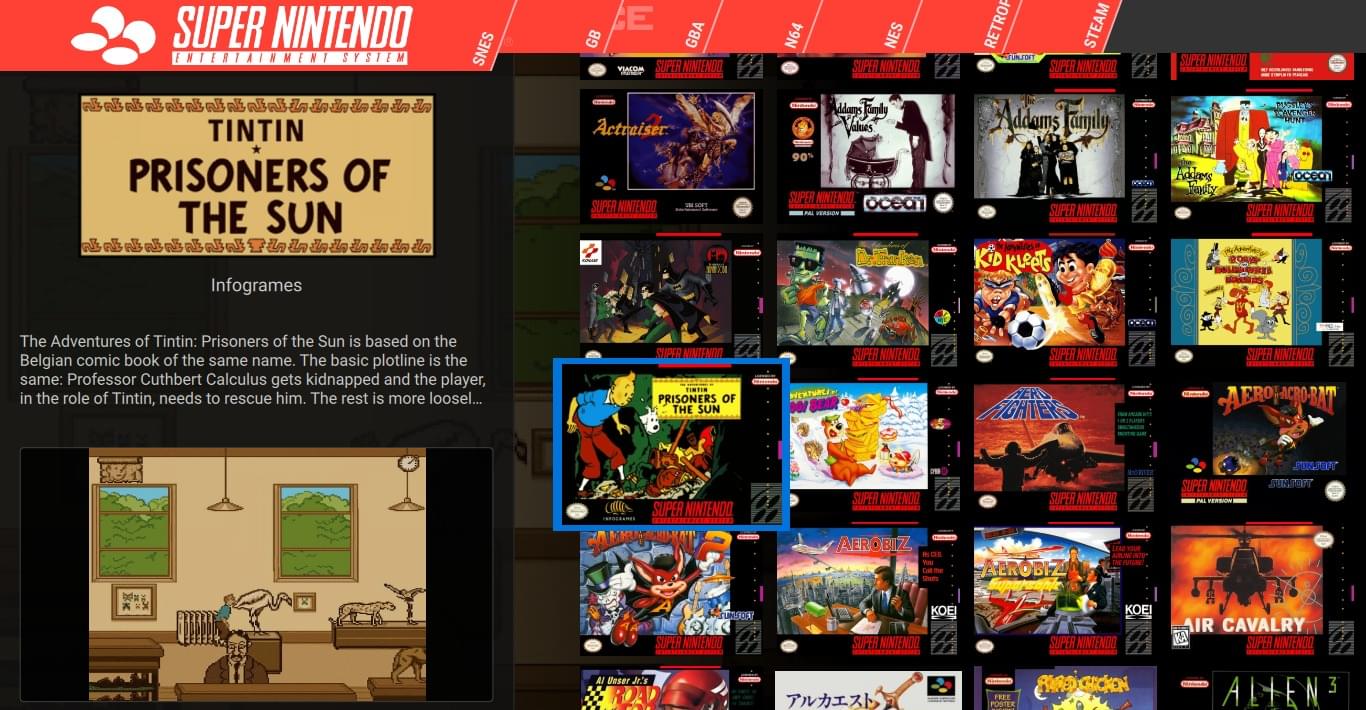
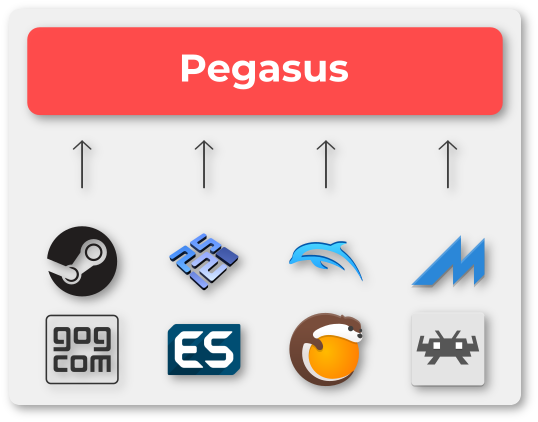
Pegasus is a graphical frontend for browsing your game library (especially retro games) and launching them from one place. It's focusing on customizability, cross platform support (including embedded devices) and high performance.
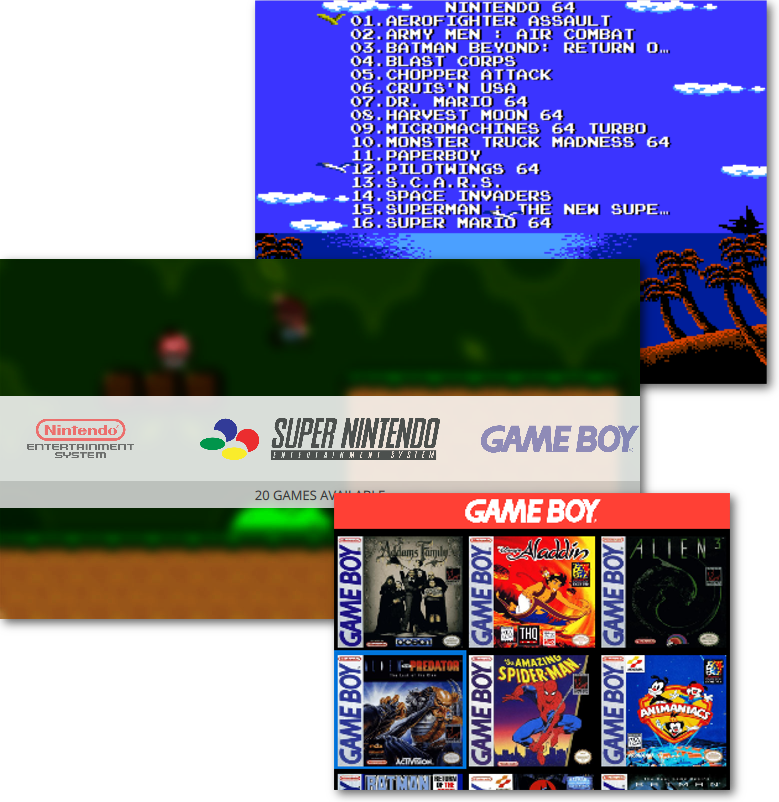
Instead of launching different games with different emulators one by one manually, you can add them to Pegasus and launch the games from a friendly graphical screen from your couch. You can add all kinds of artworks, metadata or video previews for each game to make it look even better!
With additional themes, you can completely change everything that is on the screen. Add or remove UI elements, menu screens, whatever. Want to make it look like Kodi? Steam? Any other launcher? No problem. You can add animations and effects, 3D scenes, or even run your custom shader code.
Pegasus can run on Linux, Windows, Mac, Raspberry Pi, Odroid and Android devices. It's compatible with EmulationStation metadata and gamelist files, and instantly recognizes your Steam games!
One day, a corporate chai chain offered him a fortune for the recipe. Rohan refused. Instead, he painted a sign: “Desifle: Not for sale. For sharing.”
And so, in a tiny corner of Delhi, a boy with a kettle reminded everyone that sometimes the smallest pinch of home can heal the largest emptiness. The end. desifle
News spread. Soon, poets, lovers, and broken-hearted coders queued for Rohan’s chai. He never charged extra for the desifle . “Magic doesn’t belong on a bill,” he’d laugh. One day, a corporate chai chain offered him
Once upon a time in the bustling lanes of Old Delhi, there lived a young chai wallah named Rohan. Every morning, before the sun could gild the Jama Masjid, Rohan would set up his kettle and clay cups, calling out, “Chai-garam-chai!” But unlike other vendors, Rohan added a secret pinch of desifle —a rare, home-ground blend of cardamom, dried rose, and a spice his nani had passed down, said to make people remember their deepest joy. For sharing
Meera sipped. First came the warmth. Then a flood of memory: her grandmother’s courtyard in Kerala, monsoon drumming on banana leaves, the smell of jasmine and wet earth. She opened her eyes, grabbed a napkin, and began sketching with a borrowed charcoal stick. Within an hour, her block had shattered.
One monsoon evening, a weary artist named Meera slumped onto Rohan’s rickety bench. She had lost her colors, she said—her canvas stayed white for months. Rohan smiled, poured her a cup, and whispered, “Desifle chai. Two sips, then close your eyes.”


