
0%
Filled with laugh-out-loud hilarious text and cartoons, the Diary of a Wimpy Kid series follows Greg Heffley as he records the daily trials and triumphs of friendship, family life and middle school where undersized weaklings have to share the hallways with kids who are taller, meaner and already shaving! On top of all that, Greg must be careful to avoid the dreaded CHEESE TOUCH!
The first book in the series was published in 2007 and became instantly popular for its relatable humor. Today, more than 300 million copies have been sold around the world!
In conclusion, "famparentlife" is more than a catchy hashtag; it is a cultural artifact of the early 21st century. It reflects the deep human desire to find meaning and identity within the family unit, while simultaneously exposing the pressures of a hyper-visual, consumer-driven society. The challenge for the modern parent is to navigate this tightrope with awareness—to embrace the joys of family life without becoming enslaved to its digital performance. Ultimately, the healthiest version of #famparentlife is not the one with the most likes, but the one where the camera is occasionally put down, the mess is left untidied, and the unvarnished, unshared moments of love and frustration are allowed to exist, simply and privately, for their own sake.
Yet, to dismiss "famparentlife" as merely performative or consumerist would be reductive. For many, especially isolated stay-at-home parents or those in non-traditional family structures, these online communities provide vital support. The hashtag can connect a new mother in a rural town with a global network of peers navigating sleep training or postpartum anxiety. In this sense, "famparentlife" functions as a digital village—a space to ask for advice, share vulnerabilities, and combat the loneliness that often accompanies modern parenting. The key differentiator is intention. When used as a tool for connection rather than comparison, the term can foster resilience and solidarity. famparentlife
Furthermore, the rise of "famparentlife" signals a significant economic shift. The modern family unit has become a marketing demographic of immense power. Influencers who master the tag can monetize their parenting journey through sponsored posts for diapers, cleaning products, and family-friendly tech. This commercialization blurs the line between authentic sharing and strategic branding. When a parent films their child’s reaction to a new toy or stages a "spontaneous" family picnic for a meal-kit service, the family ceases to be a private sanctuary and becomes a production studio. The emotional labor of parenting is thus doubled: first, the real work of raising children, and second, the performative work of presenting that work as enviable content. In conclusion, "famparentlife" is more than a catchy
At its core, "famparentlife" represents the fusion of personal identity with parental and familial roles. Unlike previous generations, where parenthood was a facet of a broader adult life, the digital age has elevated parenting to a primary lifestyle category. The term suggests that being a parent is no longer just a relationship (mother to child) or a function (provider, caretaker), but an all-encompassing ecosystem. It implies that every decision—from career moves to weekend plans, from home décor to dinner recipes—is filtered through the lens of family management. In this framework, the self is perpetually subsumed by the collective. One does not simply have a family; one lives the famparentlife. Ultimately, the healthiest version of #famparentlife is not
However, the public performance of this lifestyle on platforms like Instagram and TikTok introduces a profound paradox. The hashtag is often attached to images of organized snack drawers, matching family pajamas, and elaborate birthday parties. These posts celebrate togetherness, but they also function as a form of digital labor. The "famparentlife" aesthetic demands a constant output of curated happiness. This creates what sociologists call the "intensity paradox": the more we document our family moments for public validation, the less we may authentically experience them. A child’s tantrum, a marital argument, or the mundane exhaustion of a Tuesday evening rarely make the feed. Consequently, the idealized version of #famparentlife becomes an unattainable benchmark, leaving many parents feeling inadequate as they compare their chaotic reality to someone else’s highlight reel.
In the lexicon of modern social media, hashtags often serve as windows into collective consciousness. Among the streams of #MomLife, #DadGoals, and #FamilyFirst lies the less common but deeply resonant tag: #famparentlife . Though it lacks a formal dictionary entry, the term—a portmanteau of "family," "parent," and "life"—encapsulates a specific, high-stakes cultural phenomenon. To examine "famparentlife" is to explore the modern family’s struggle for identity, the commodification of domesticity, and the psychological tightrope between genuine connection and performative perfection.
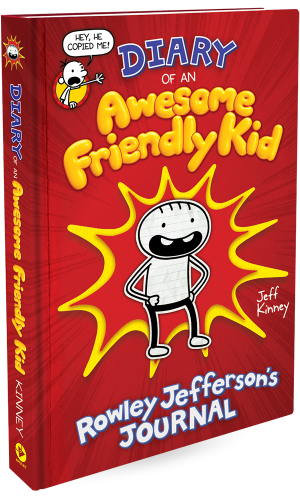
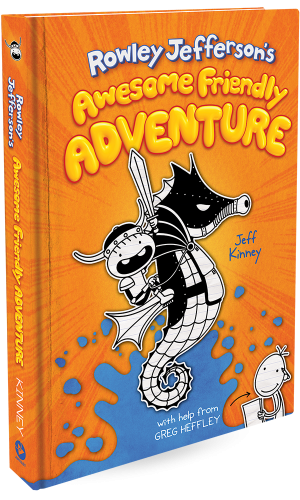
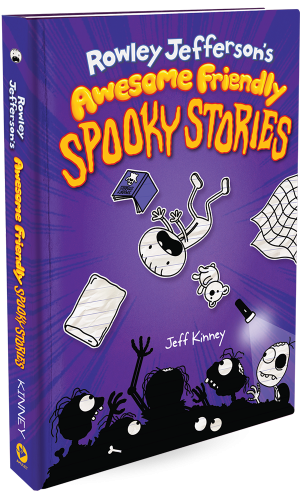
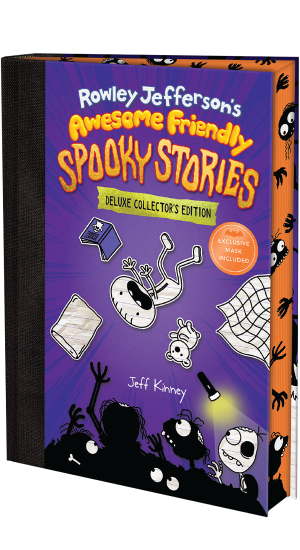
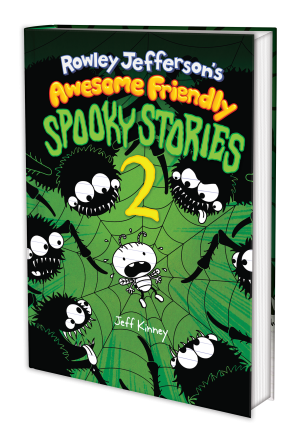
Get ready to see the Wimpy Kid world in a whole new way! Written and illustrated from the hilarious imagination of Greg Heffley’s best friend, Rowley Jefferson, the Awesome Friendly Kid series is filled with new adventures and vibrant stories that will have readers in stitches!
Click or scroll
through the books
In conclusion, "famparentlife" is more than a catchy hashtag; it is a cultural artifact of the early 21st century. It reflects the deep human desire to find meaning and identity within the family unit, while simultaneously exposing the pressures of a hyper-visual, consumer-driven society. The challenge for the modern parent is to navigate this tightrope with awareness—to embrace the joys of family life without becoming enslaved to its digital performance. Ultimately, the healthiest version of #famparentlife is not the one with the most likes, but the one where the camera is occasionally put down, the mess is left untidied, and the unvarnished, unshared moments of love and frustration are allowed to exist, simply and privately, for their own sake.
Yet, to dismiss "famparentlife" as merely performative or consumerist would be reductive. For many, especially isolated stay-at-home parents or those in non-traditional family structures, these online communities provide vital support. The hashtag can connect a new mother in a rural town with a global network of peers navigating sleep training or postpartum anxiety. In this sense, "famparentlife" functions as a digital village—a space to ask for advice, share vulnerabilities, and combat the loneliness that often accompanies modern parenting. The key differentiator is intention. When used as a tool for connection rather than comparison, the term can foster resilience and solidarity.
Furthermore, the rise of "famparentlife" signals a significant economic shift. The modern family unit has become a marketing demographic of immense power. Influencers who master the tag can monetize their parenting journey through sponsored posts for diapers, cleaning products, and family-friendly tech. This commercialization blurs the line between authentic sharing and strategic branding. When a parent films their child’s reaction to a new toy or stages a "spontaneous" family picnic for a meal-kit service, the family ceases to be a private sanctuary and becomes a production studio. The emotional labor of parenting is thus doubled: first, the real work of raising children, and second, the performative work of presenting that work as enviable content.
At its core, "famparentlife" represents the fusion of personal identity with parental and familial roles. Unlike previous generations, where parenthood was a facet of a broader adult life, the digital age has elevated parenting to a primary lifestyle category. The term suggests that being a parent is no longer just a relationship (mother to child) or a function (provider, caretaker), but an all-encompassing ecosystem. It implies that every decision—from career moves to weekend plans, from home décor to dinner recipes—is filtered through the lens of family management. In this framework, the self is perpetually subsumed by the collective. One does not simply have a family; one lives the famparentlife.
However, the public performance of this lifestyle on platforms like Instagram and TikTok introduces a profound paradox. The hashtag is often attached to images of organized snack drawers, matching family pajamas, and elaborate birthday parties. These posts celebrate togetherness, but they also function as a form of digital labor. The "famparentlife" aesthetic demands a constant output of curated happiness. This creates what sociologists call the "intensity paradox": the more we document our family moments for public validation, the less we may authentically experience them. A child’s tantrum, a marital argument, or the mundane exhaustion of a Tuesday evening rarely make the feed. Consequently, the idealized version of #famparentlife becomes an unattainable benchmark, leaving many parents feeling inadequate as they compare their chaotic reality to someone else’s highlight reel.
In the lexicon of modern social media, hashtags often serve as windows into collective consciousness. Among the streams of #MomLife, #DadGoals, and #FamilyFirst lies the less common but deeply resonant tag: #famparentlife . Though it lacks a formal dictionary entry, the term—a portmanteau of "family," "parent," and "life"—encapsulates a specific, high-stakes cultural phenomenon. To examine "famparentlife" is to explore the modern family’s struggle for identity, the commodification of domesticity, and the psychological tightrope between genuine connection and performative perfection.