Internet Archive Flac < 2024 >
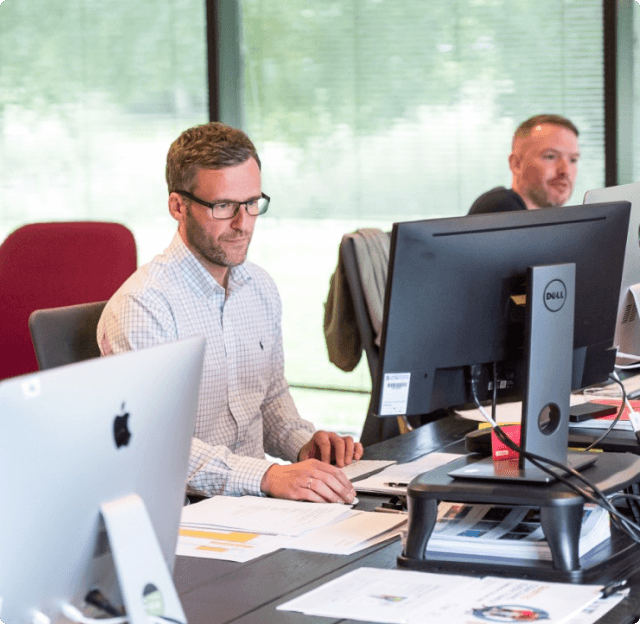
Our mission is to improve the design process for architects and engineers. By improving the comfort of work, using a fast and intuitive interaction with the software.
GET NOW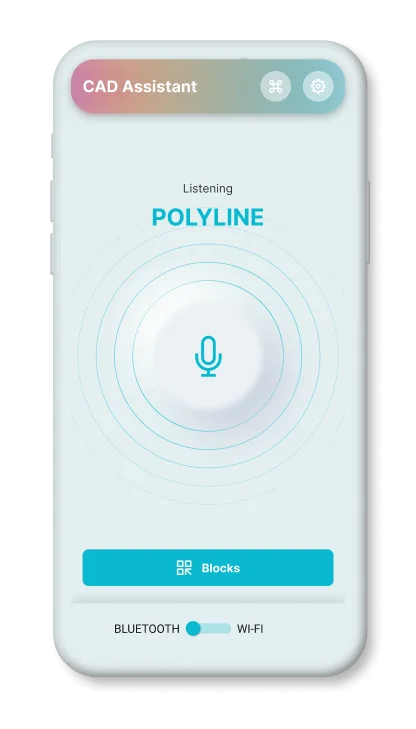
Our mission is to improve the design process for architects and engineers. By improving the comfort of work, using a fast and intuitive interaction with the software.
GET NOW
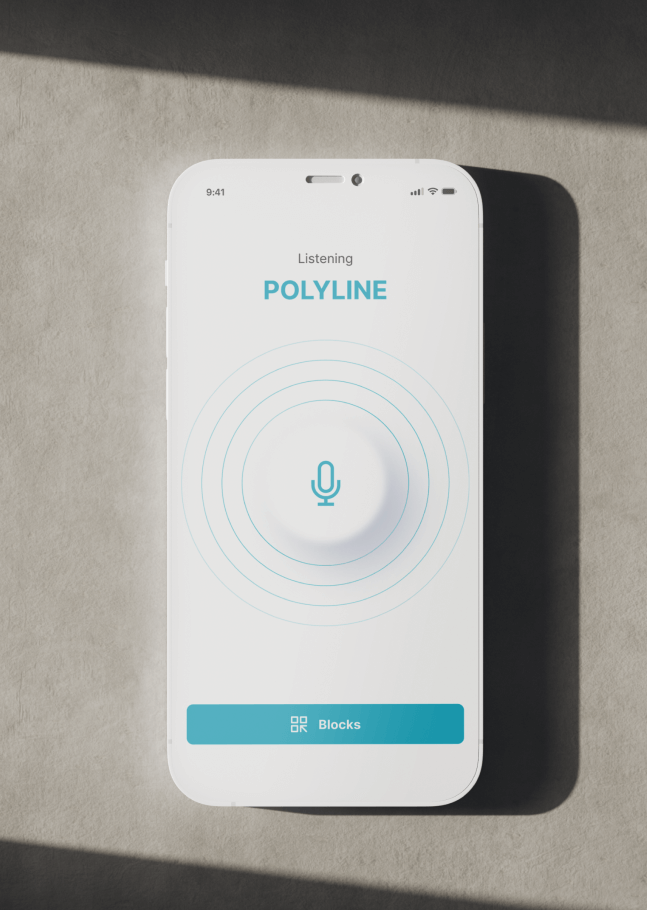
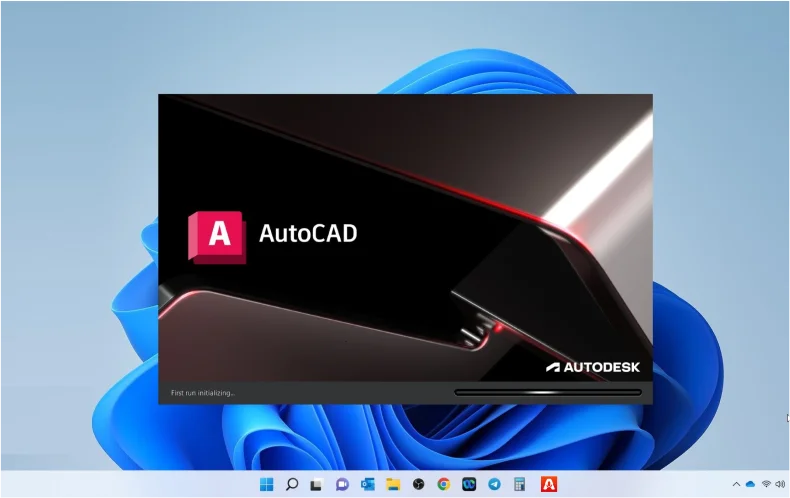
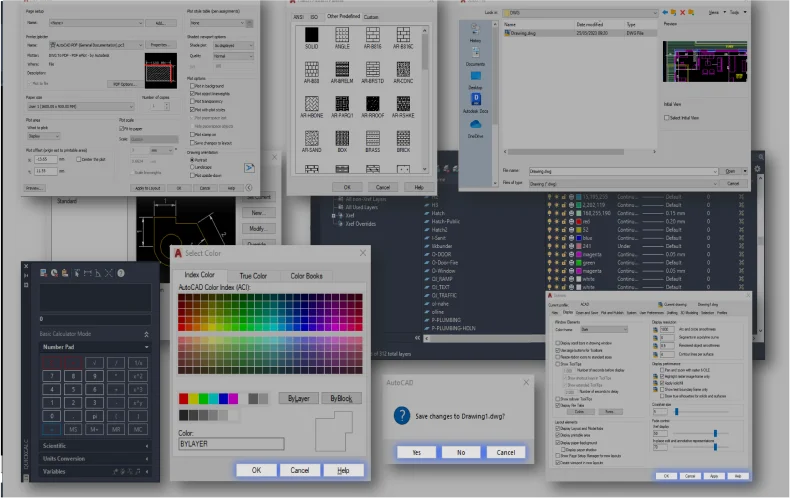
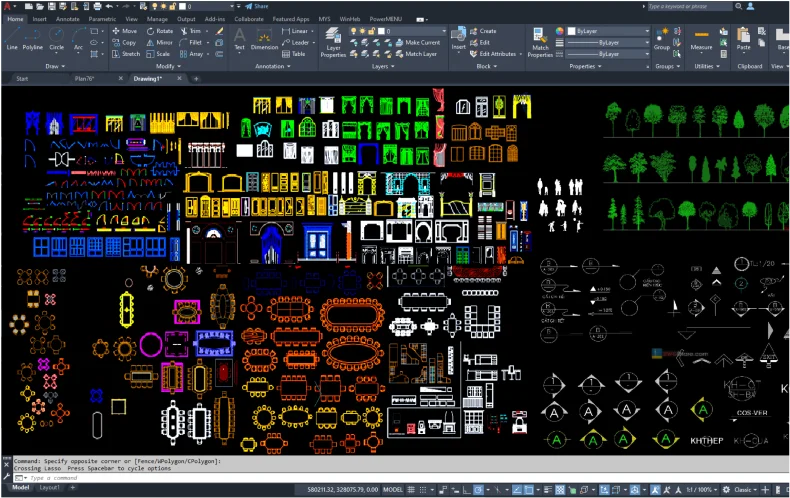
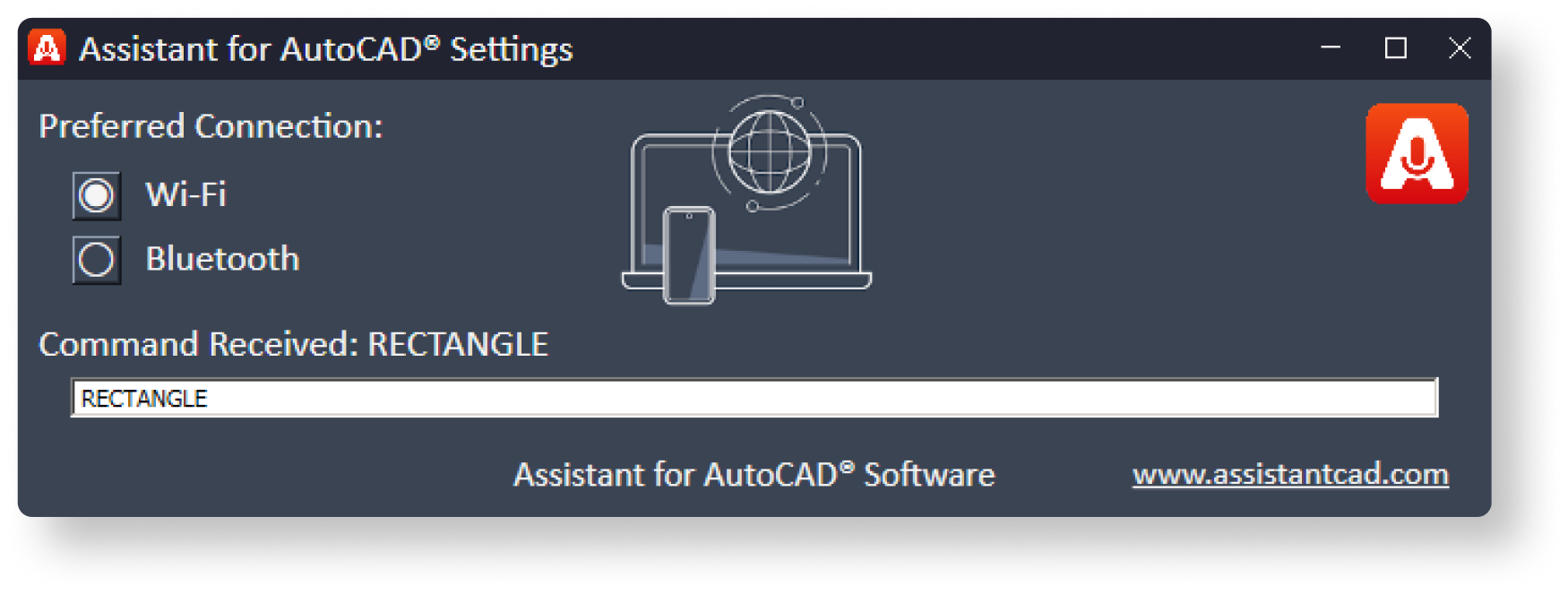
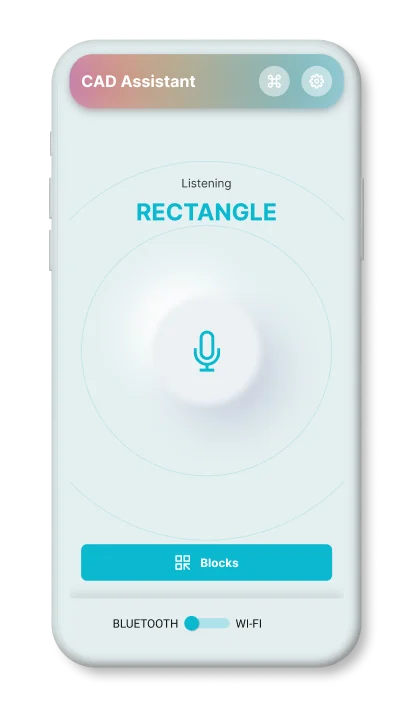
a mobile application that can execute the user's voice commands in AutoCAD



Works via Wi-Fi

runs in the background

Works via Bluetooth

Supports operation
via a headset (audio)
 500+
500+
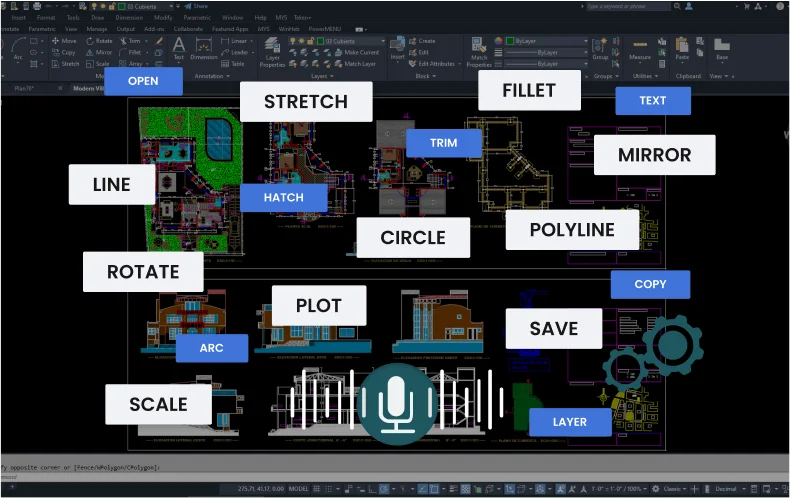
Basic commands
that are used most often.
 120+
120+
Express
tool commands.
 100+
100+
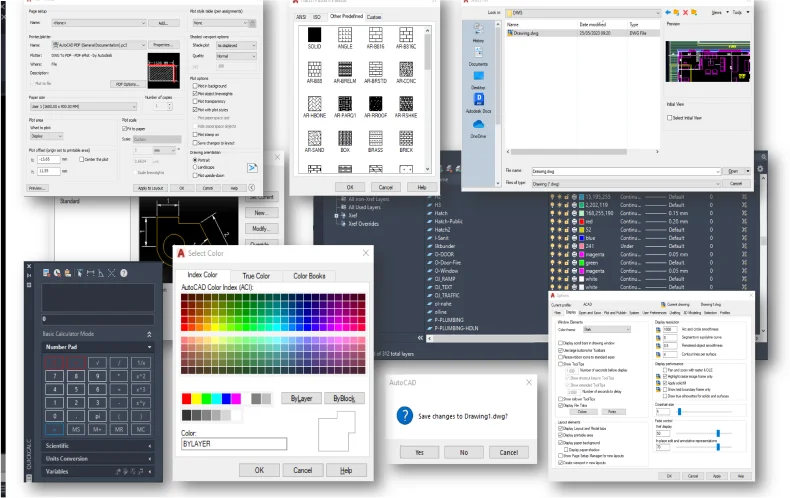
Commands
for 3d modeling.
 800+
800+
Rarely used
AutoCAD commands
The first tool to manually improve the commands, for this he needs to record the command in his voice.
In this way, the engine will know and take into account the individual peculiarities of the pronunciation of the given command.
1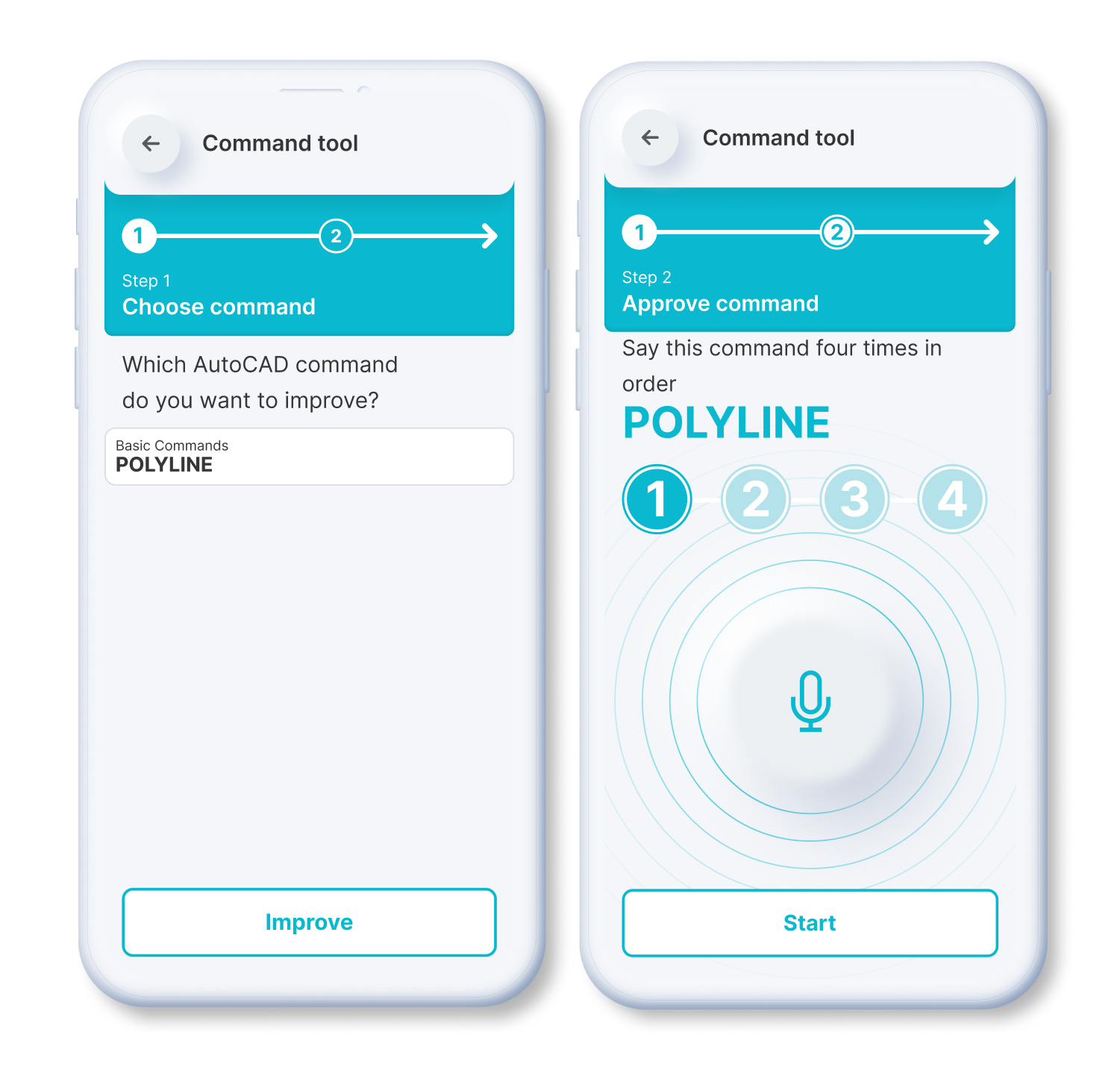
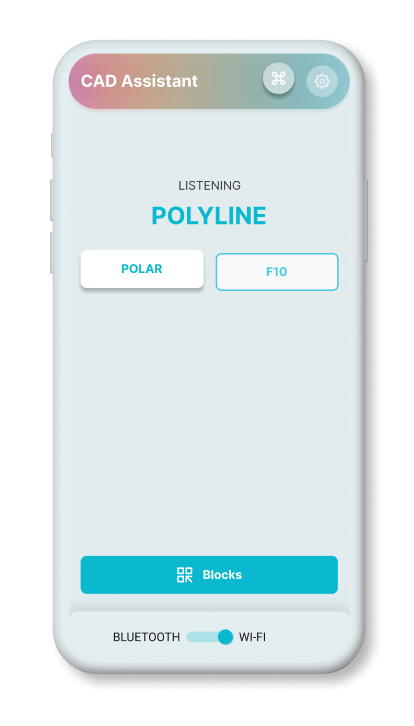
If the recognition engine algorithm is not confident in determining the correct command, it will offer to choose from the appropriate options.
The application then saves the user's choice, and will take that result into account at a later time. In this way, the engine is fine-tuned to the individual peculiarities of pronunciation.
2 1290+
1290+
Static Blocks
 210+
210+
Dynamic Blocks
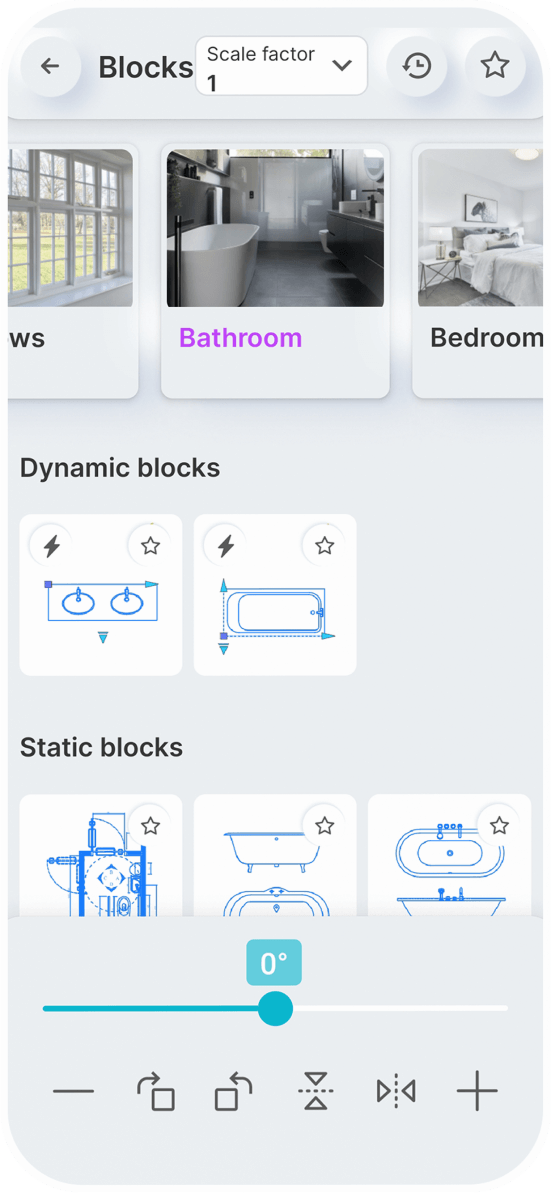
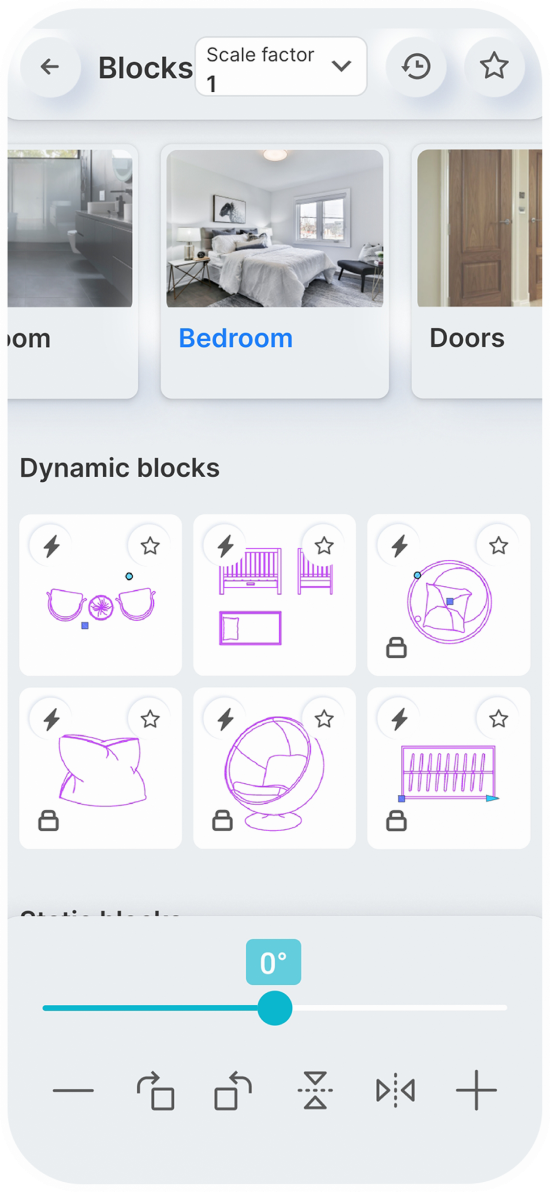
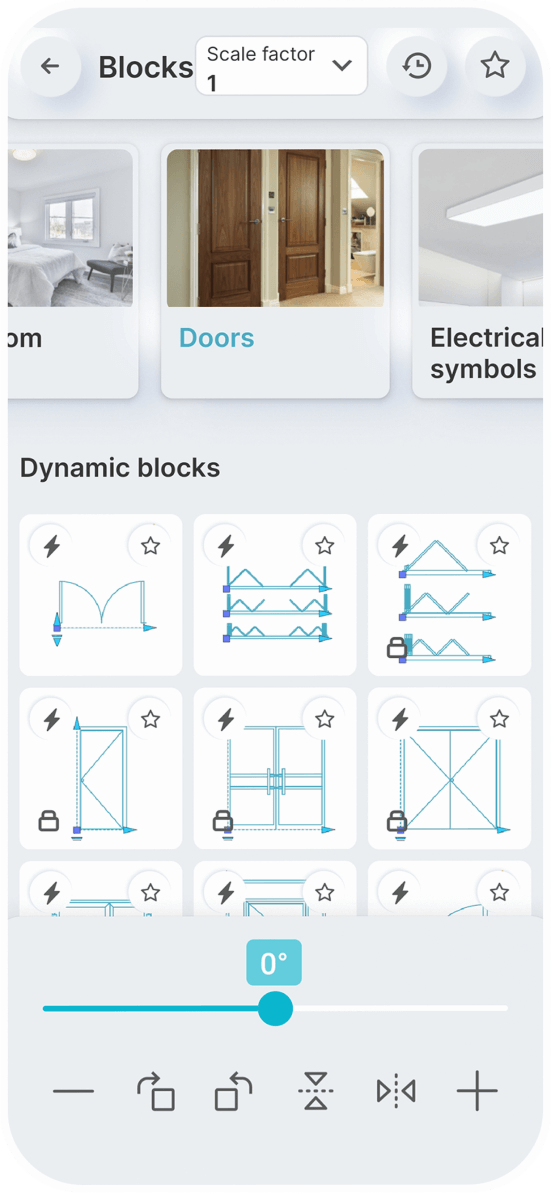
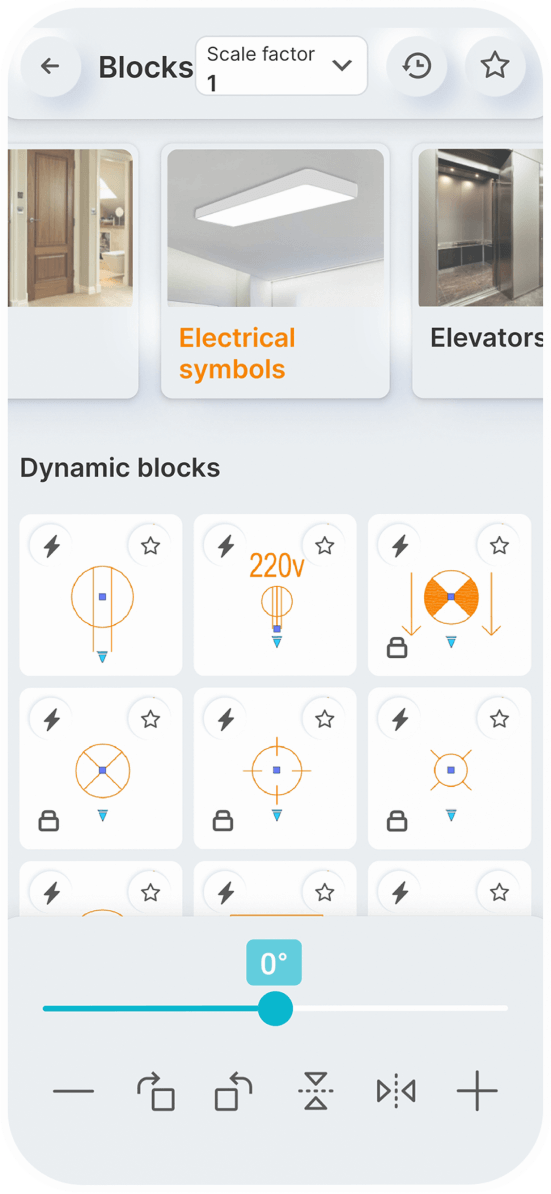
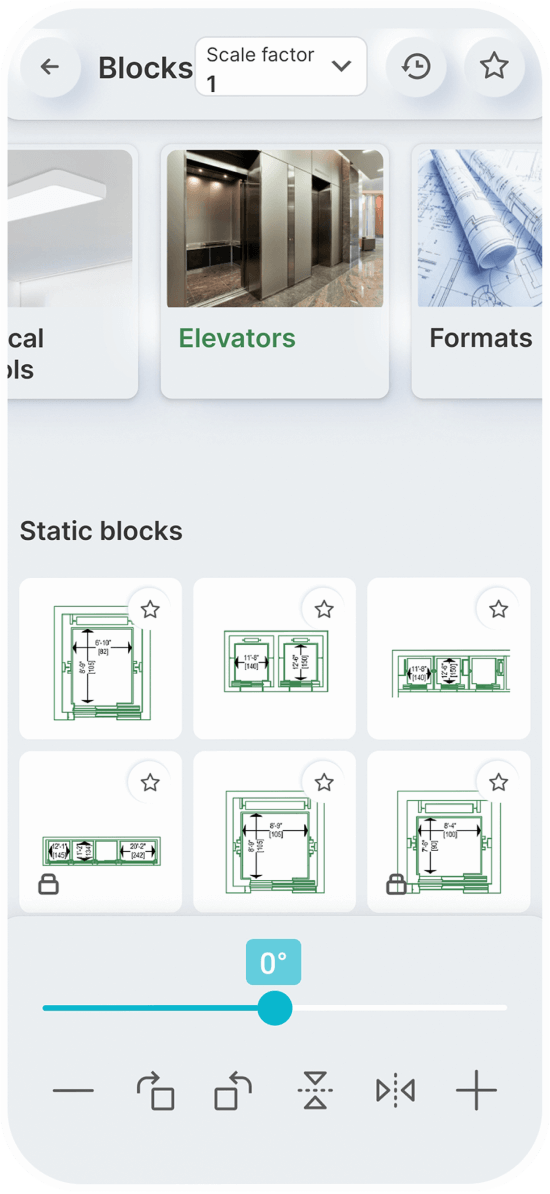
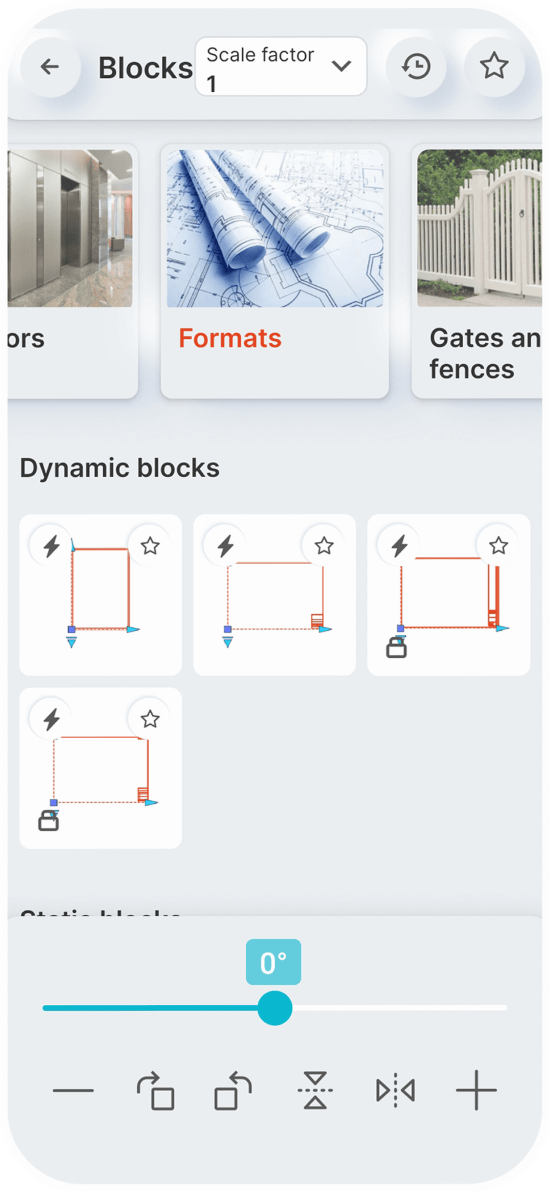
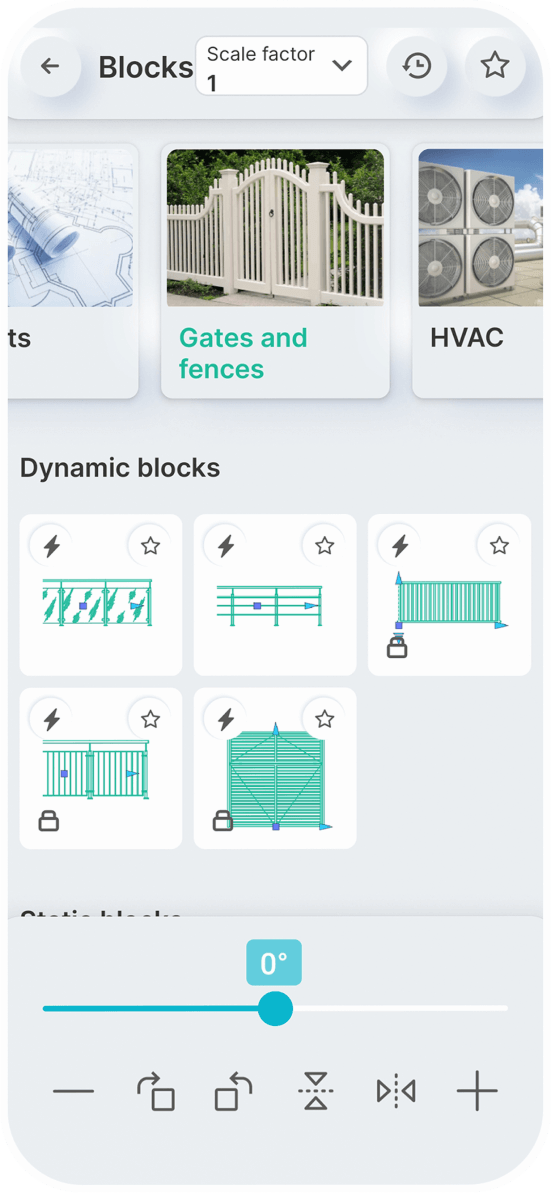
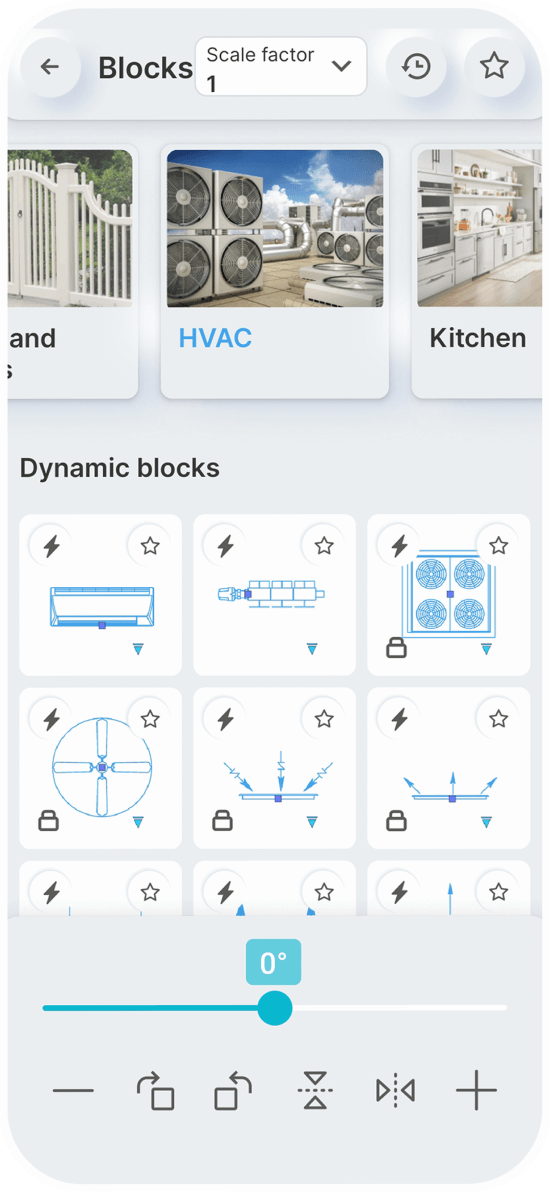
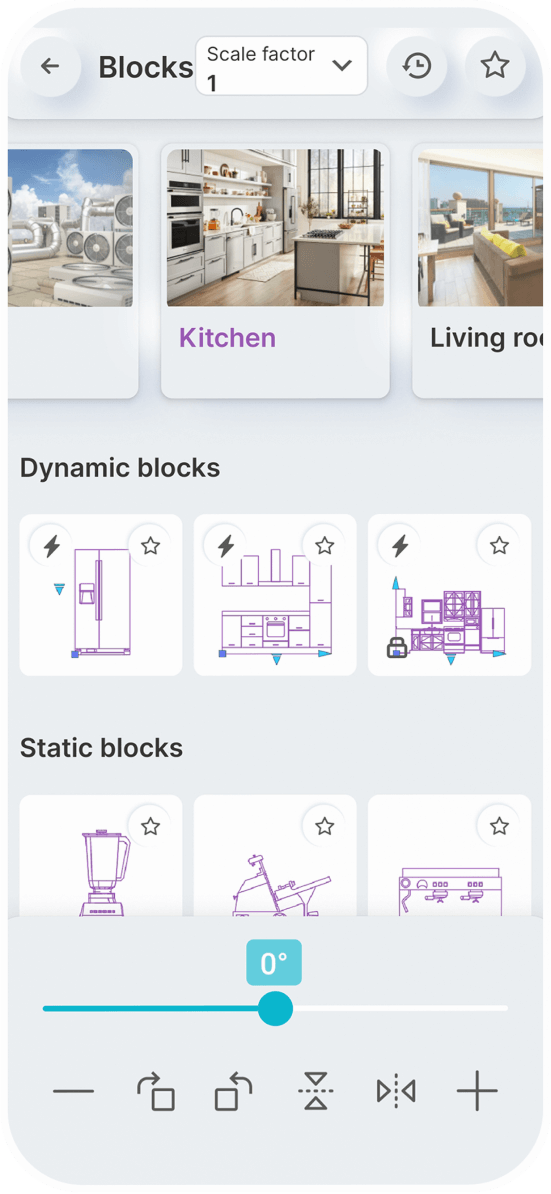
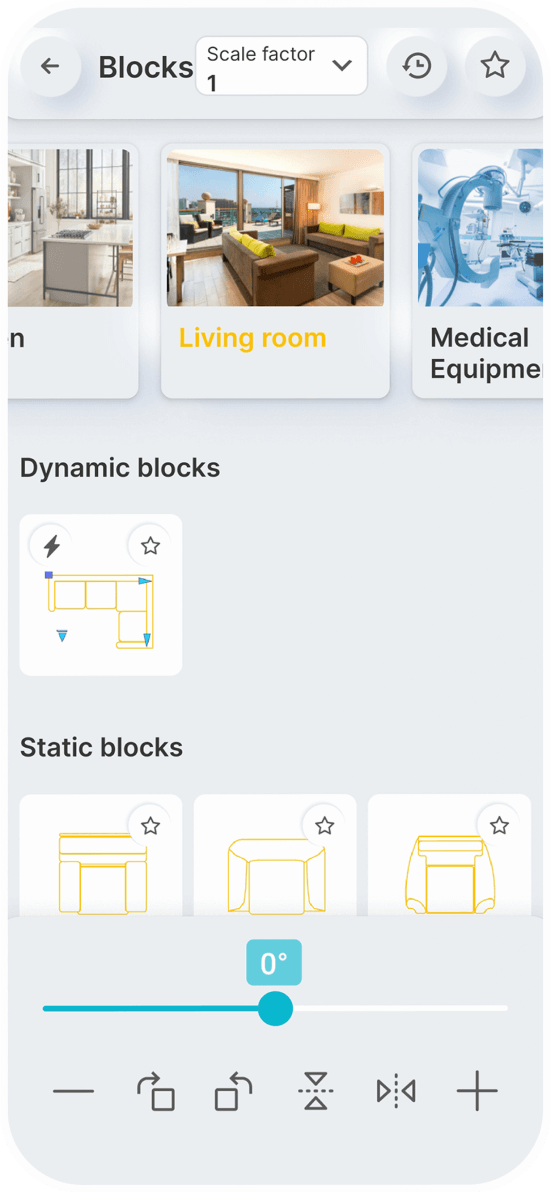
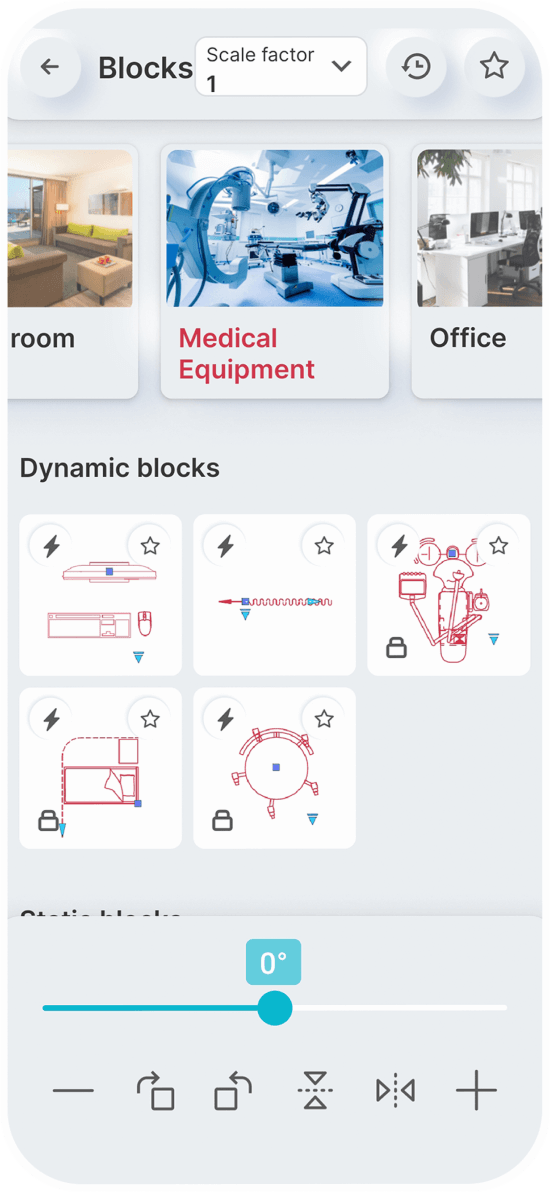
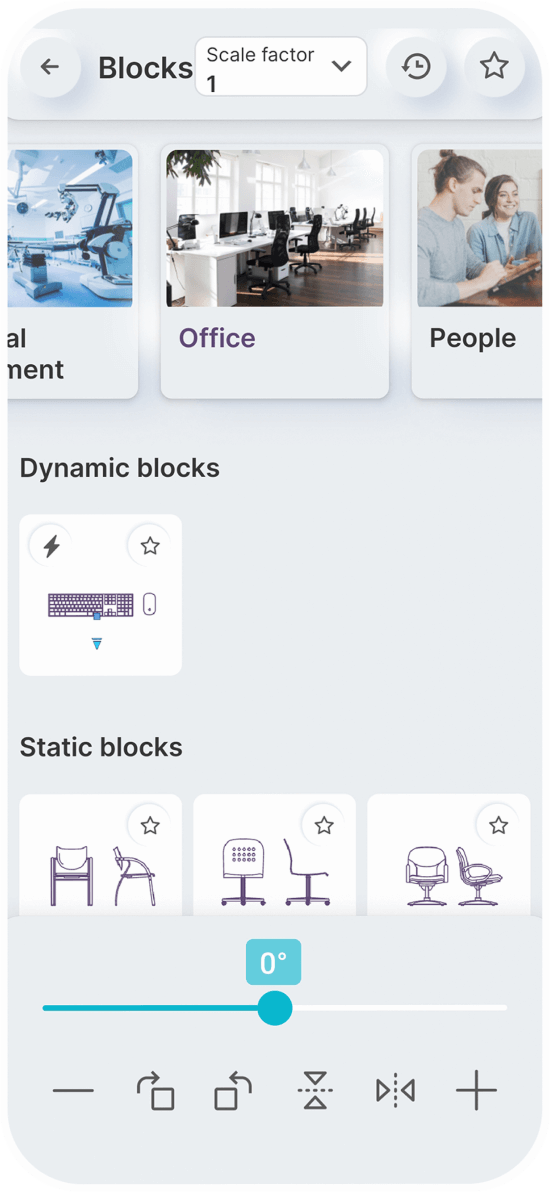
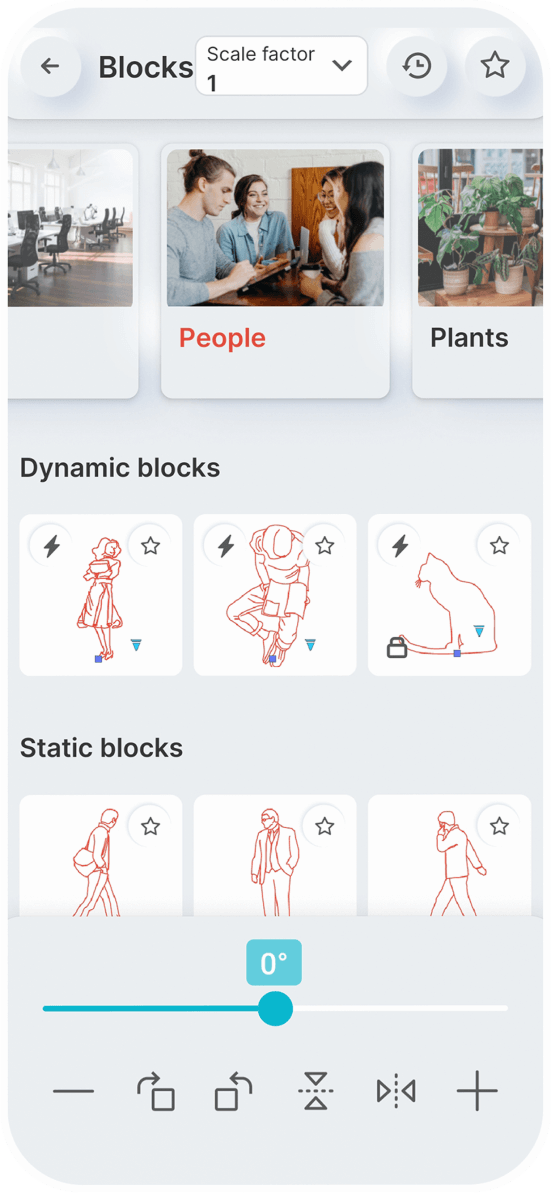
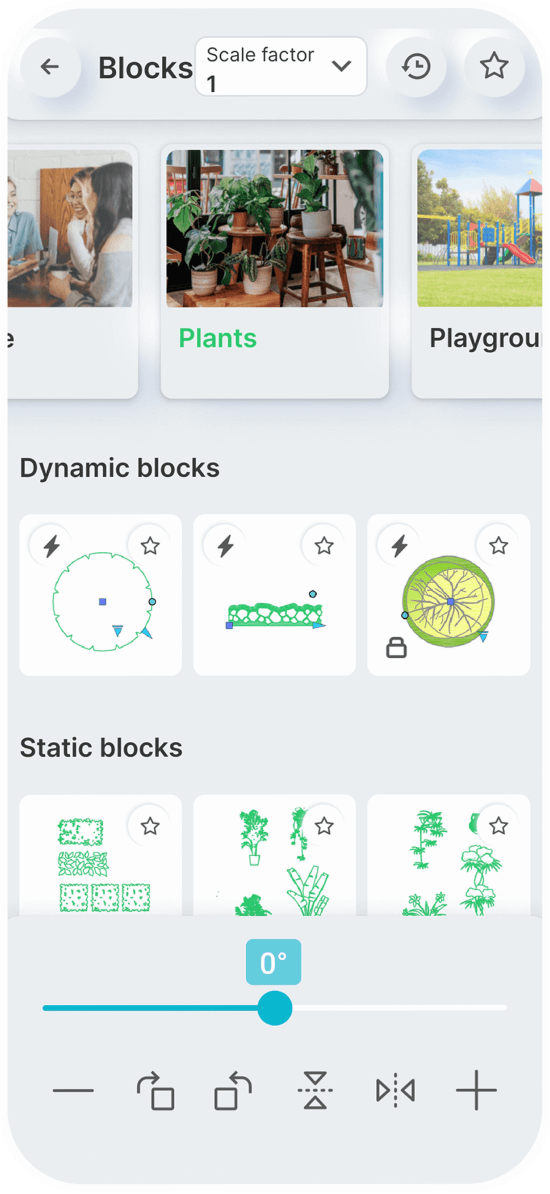
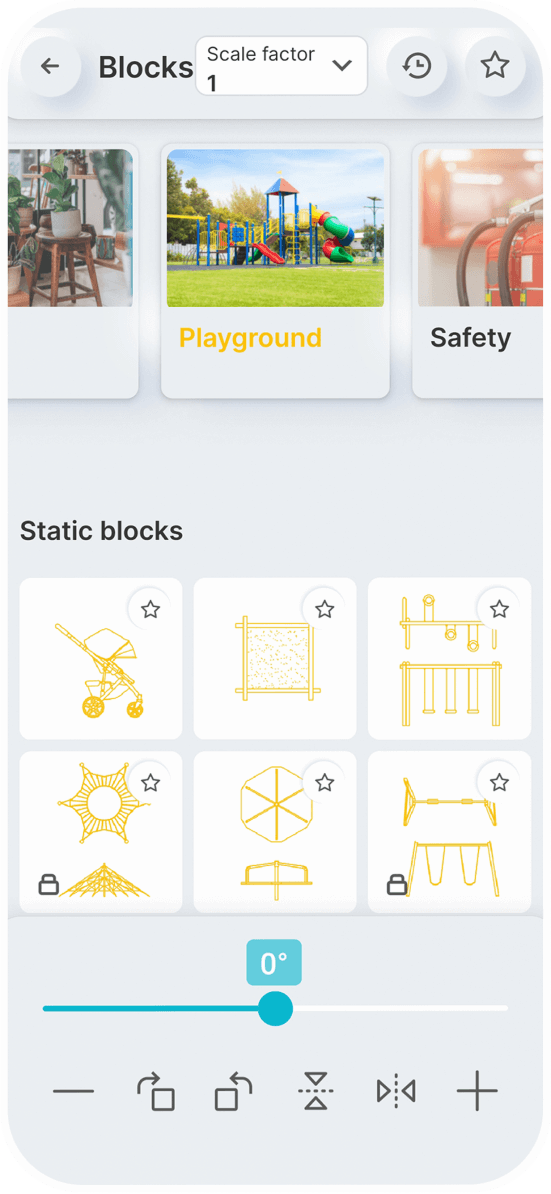
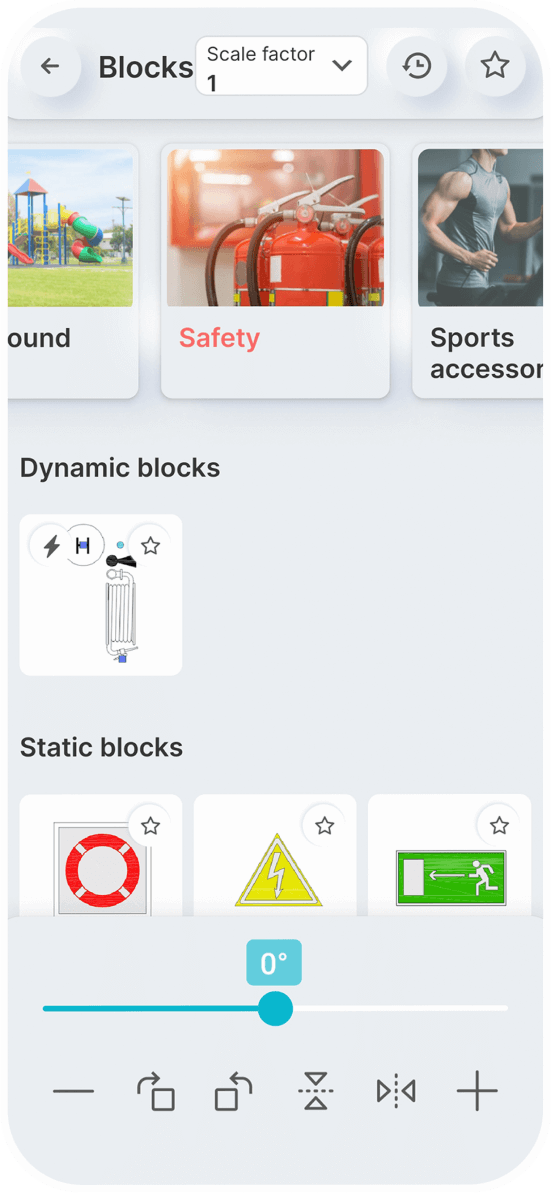
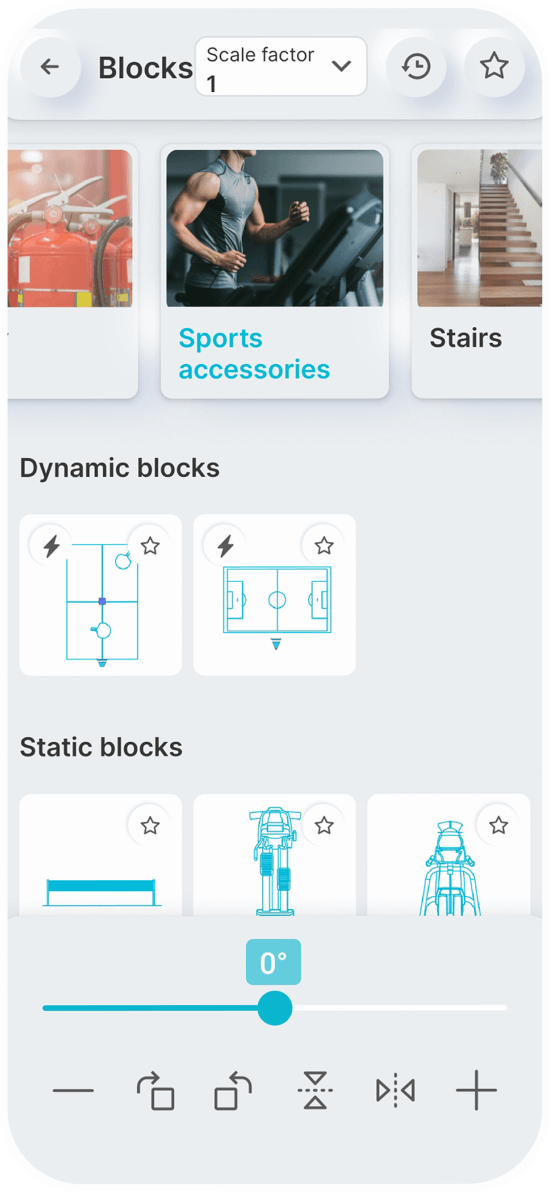
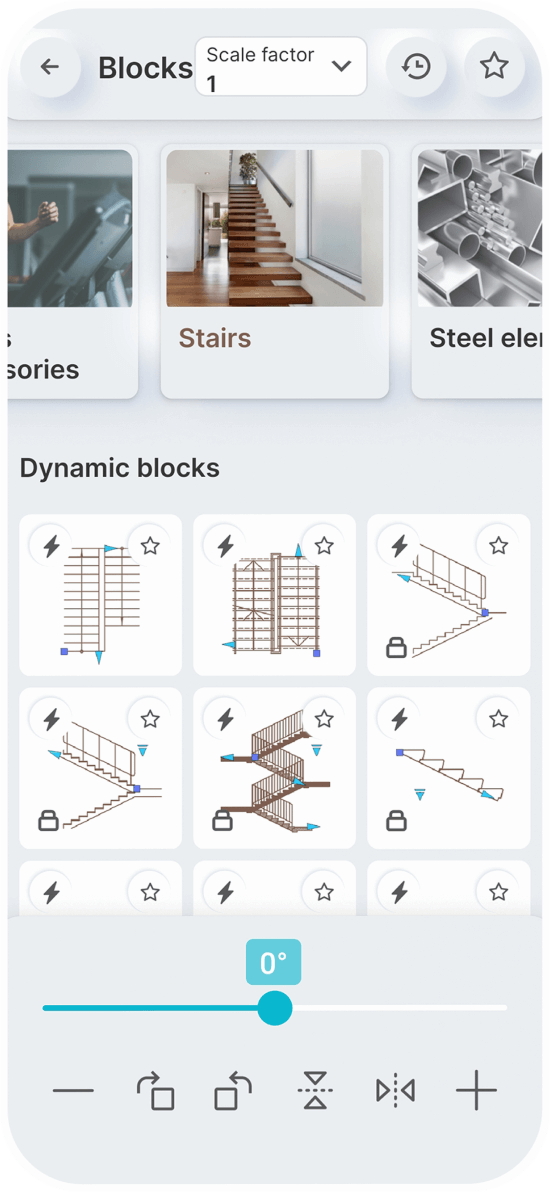
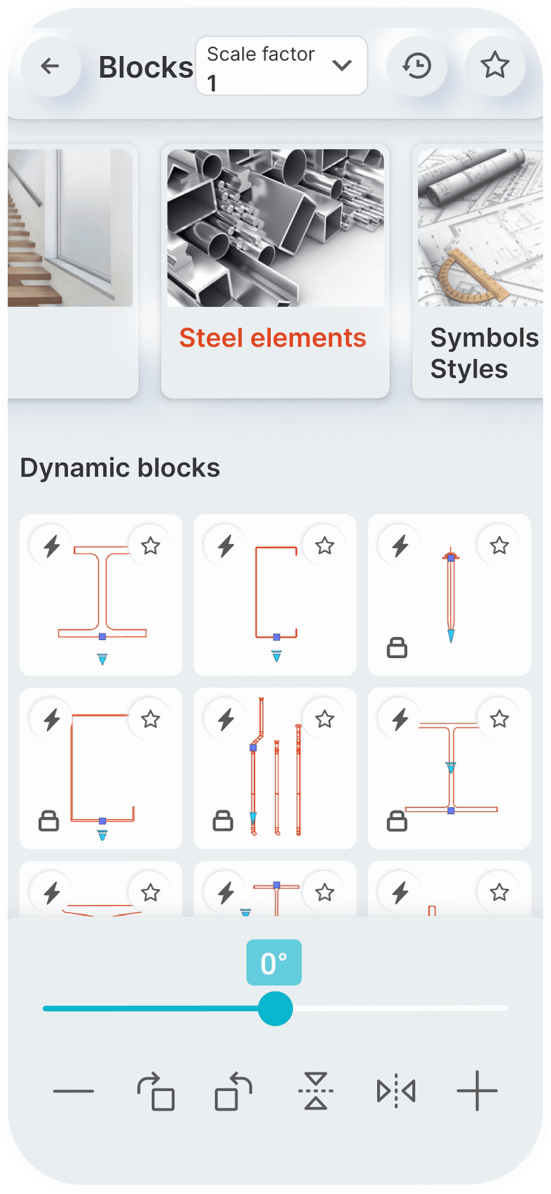
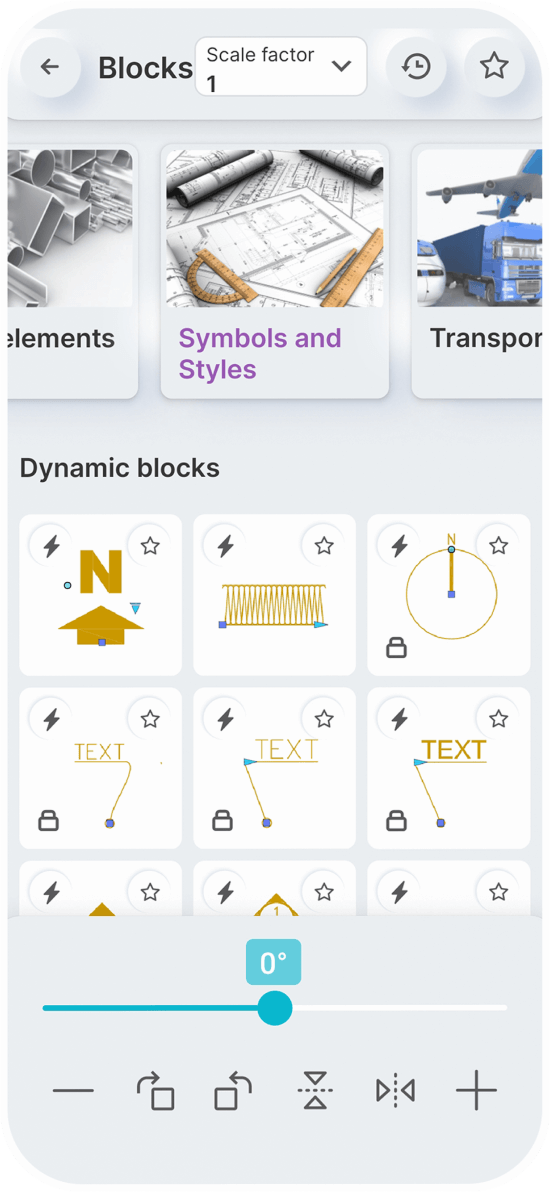
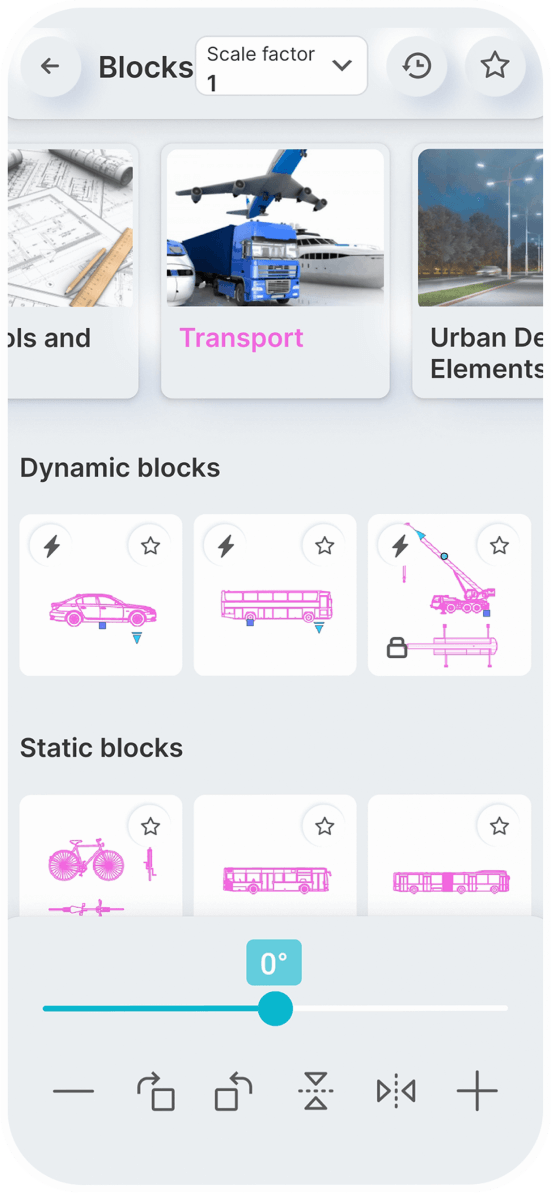
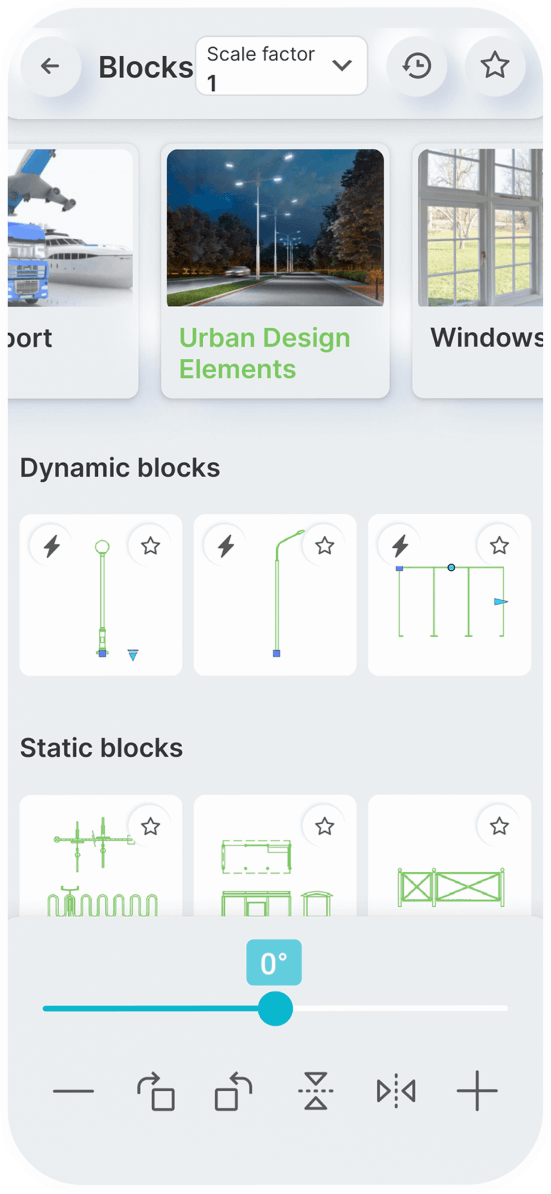
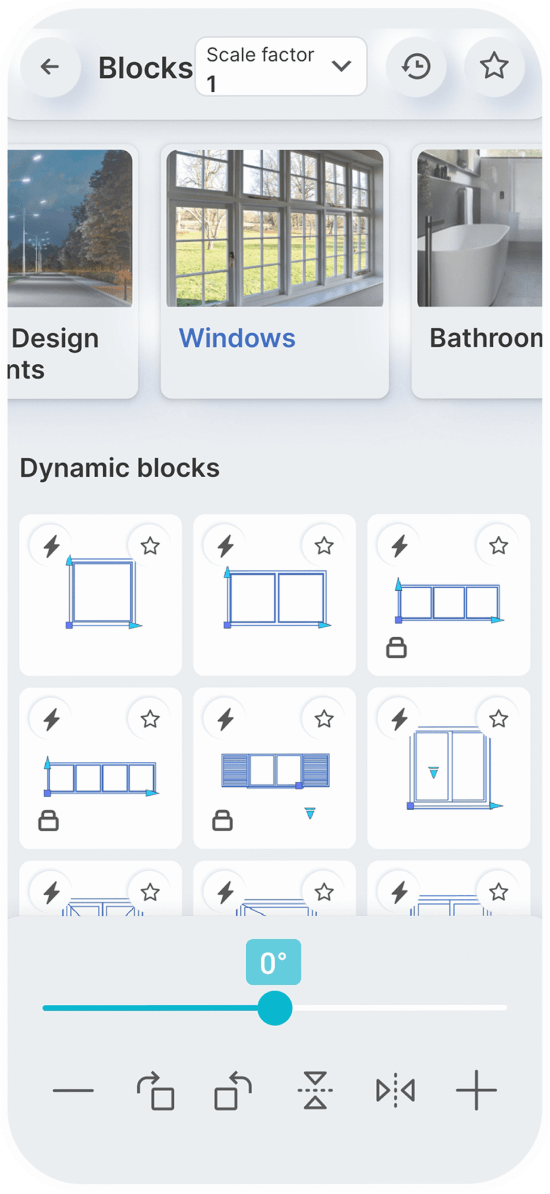
Simply speak a command to
resize or scale items.
Rapidly rotate objects or elements within the application by precisely 90 degrees.
By issuing a voice command, you can activate the mirroring effect.
You can effortlessly rotate blocks or objects within the application.
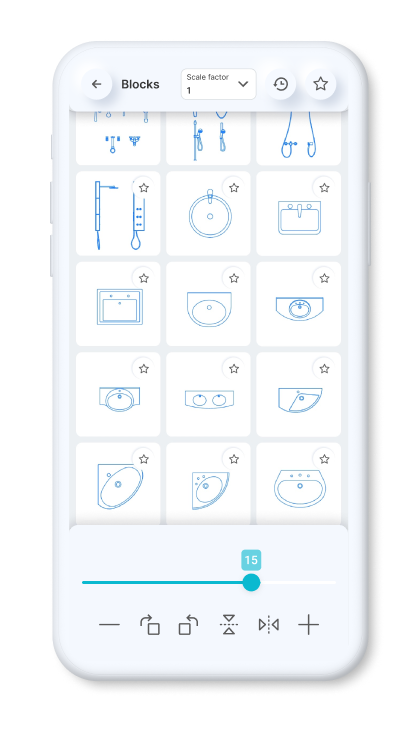
You can set a constant scale factor for your drawings to enter blocks.
Save the blocks you want most in your favorites.
Use the history page to quickly insert the last used blocks.
Standardized American
paper sizes A, B, C, D, E
Two special vertical
formats for A3 and A4
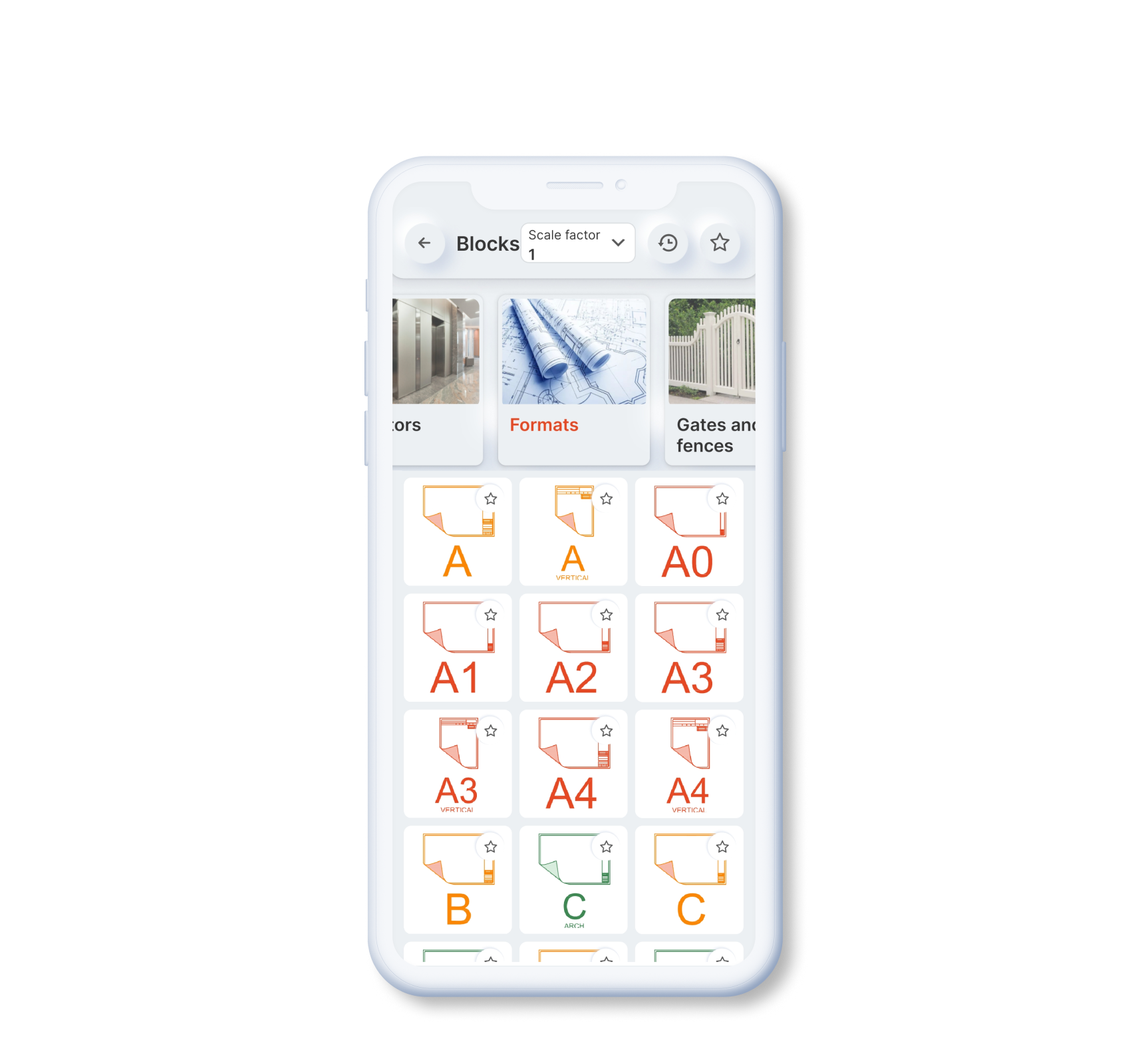
The international paper size standard is ISO 216 A4, A3, A2, A1, A0
Architectural sizes C, D, E
Digitized by community archivists using laser turntables and careful equalization. Early blues, Hawaiian guitar, vaudeville skits. The FLACs preserve the surface noise, the crackle, the pitch fluctuations — not as flaws, but as historical data.
By hosting FLAC files, the Internet Archive ensures that a 1944 Armed Forces Radio broadcast of Glenn Miller sounds as close to the original acetate as modern digitization allows. When a researcher in 2073 wants to analyze the harmonic decay of a 1968 psychedelic organ from a band that never released a second single, they won’t be listening to lossy ghosts — they’ll have the raw waveform.
Most people know the Archive for the Wayback Machine. But for collectors, researchers, and nostalgic audiophiles, the real treasure is in the : live concerts, out-of-print radio dramas, field recordings, 78 rpm transfers, and obscure demo tapes, all preserved bit-for-bit . Why FLAC Matters at the Archive MP3s are convenient. FLAC is honest. internet archive flac
The wildcard folder. Poetry readings from 1970s San Francisco, pirate radio broadcasts, college lectures by authors you’ve never heard of, and field recordings of endangered languages. Many uploaders provide FLAC to ensure future linguists don’t mistake an encoding artifact for a phoneme.
So the next time you’re doomscrolling, pause. Visit the Archive. Search for a forgotten radio drama. Download the FLAC. Listen closely to the space between the notes — the tape hiss, the cough in the third row, the needle drop. That’s history, uncompressed. Start digging: 🔗 archive.org/details/etree 🔗 archive.org/details/78rpm 🔗 archive.org/details/oldtimeradio Would you like a condensed version for social media, or a tutorial on downloading FLACs in bulk from the Archive? Digitized by community archivists using laser turntables and
FLAC also allows . You can transcode to MP3, AAC, or Ogg for a portable player, then go back to the original FLAC for a different use case — something impossible with a lossy source. The Collection Highlights Live Music Archive The crown jewel. Over 250,000 concerts from etree -friendly bands — Grateful Dead (nearly 15,000 recordings), Phish, Umphrey’s McGee, and countless lesser-known jammers. Many are soundboard or high-quality audience recordings, available as FLAC + derived MP3s. You can hear a 1983 Dead show at the Santa Cruz Civic Auditorium, tape hiss and all, in the same fidelity the taper captured.
For musicians, the Archive is also a distribution loophole. Bands unable to afford CD pressing or streaming aggregators can upload FLACs directly — no algorithm, no gatekeeper. Just a download button and a creative commons license. The Internet Archive recently won its legal battle over controlled digital lending, but its future remains uncertain. If the Archive were to vanish tomorrow, the FLACs would be among the hardest things to reassemble — large, distributed, and largely unmirrored. By hosting FLAC files, the Internet Archive ensures
Here’s a feature-style piece about — exploring its significance, hidden gems, and how to navigate the vast collection. Echoes in the Digital Stacks: The Unsung Power of Internet Archive FLAC In the sprawling labyrinth of the Internet Archive, where 20th-century Geocities pages mingle with vintage newsreels and CD-ROM games, a quieter revolution hums in lossless quality. It lives in the FLAC files — Free Lossless Audio Codec — tucked inside millions of archived recordings.