Where Is System Tray Fixed -

“It’s like the janitor’s closet of the operating system,” Mark said. “Everything ends up there to avoid clutter.”

One Tuesday afternoon, her printer stopped working. “Check the system tray,” her coworker Mark said, without looking up.

The system tray (or notification area) is typically located on the right side of the taskbar in Windows (near the clock), on the right side of the menu bar in macOS (via icons like Spotlight or Siri), or on the bottom or top panel in most Linux desktops (like GNOME or KDE). where is system tray

That night, Elena couldn’t stop thinking about the tray. She realized her whole life had its own system tray—small, ignored signals: a faint headache, a stack of unread letters, the hum of her fridge getting louder. She’d been minimizing them for years.

She opened the lid of her actual printer, freed the crumpled page, and then sat down to open the first letter. The system tray, she decided, might be the most honest place on a computer—if you just remembered to look. “It’s like the janitor’s closet of the operating

Elena clicked. A hidden panel slid upward, revealing a row of secret inhabitants: an antivirus shield with an urgent red X, a cloud storage icon syncing slowly, and a forgotten USB eject button she’d never used. And there, blinking apologetically, was the printer’s warning: “Paper jam.”

He sighed, walked over, and pointed. “This little arrow. Click it.” The system tray (or notification area) is typically

Now, here’s a short story about someone discovering it: Elena had used computers for years, but she’d never noticed the small, crowded corner at the bottom right of her screen. To her, it was just a jumble of tiny icons—a speaker, a battery, a Wi-Fi symbol—background noise in her digital life.
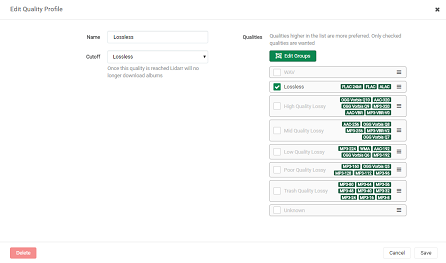
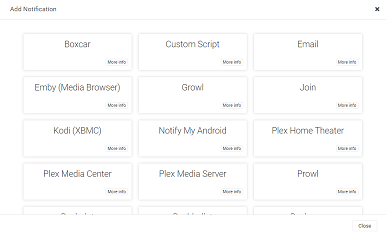
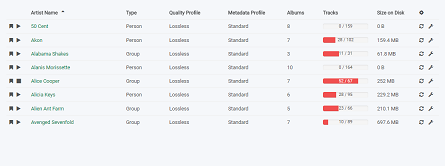
Notifications and fully customizable quality profiles.

where is system tray where is system tray
where is system tray where is system tray where is system tray

Multiple Movie views.

where is system tray where is system tray

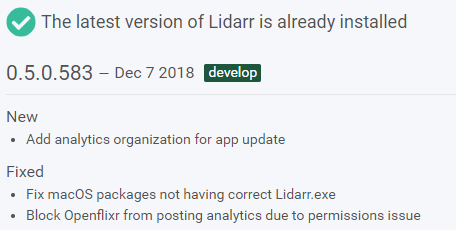
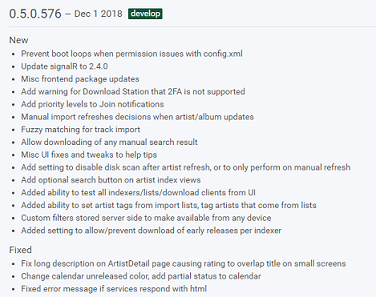
Frequent updates. See what's new without leaving the comfort of the app.

Summary

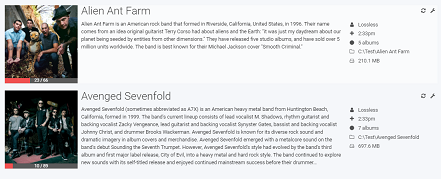
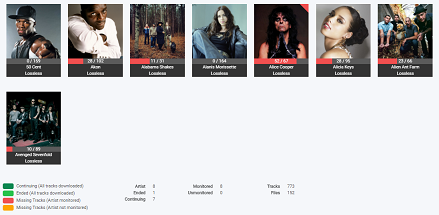
Lidarr is a music collection manager for Usenet and BitTorrent users. It can monitor multiple RSS feeds for new albums from your favorite artists and will interface with clients and indexers to grab, sort, and rename them. It can also be configured to automatically upgrade the quality of existing files in the library when a better quality format becomes available.

Features

where is system tray

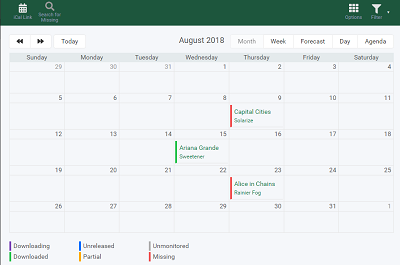
Calendar

See all your upcoming albums in one convenient location.

where is system tray

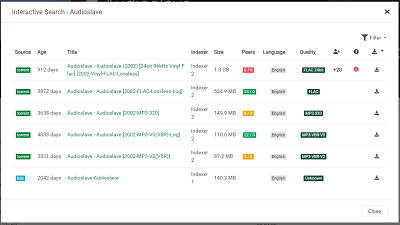
Manual Search

Find all the releases, choose the one you want, and send it right to your download client.

where is system tray

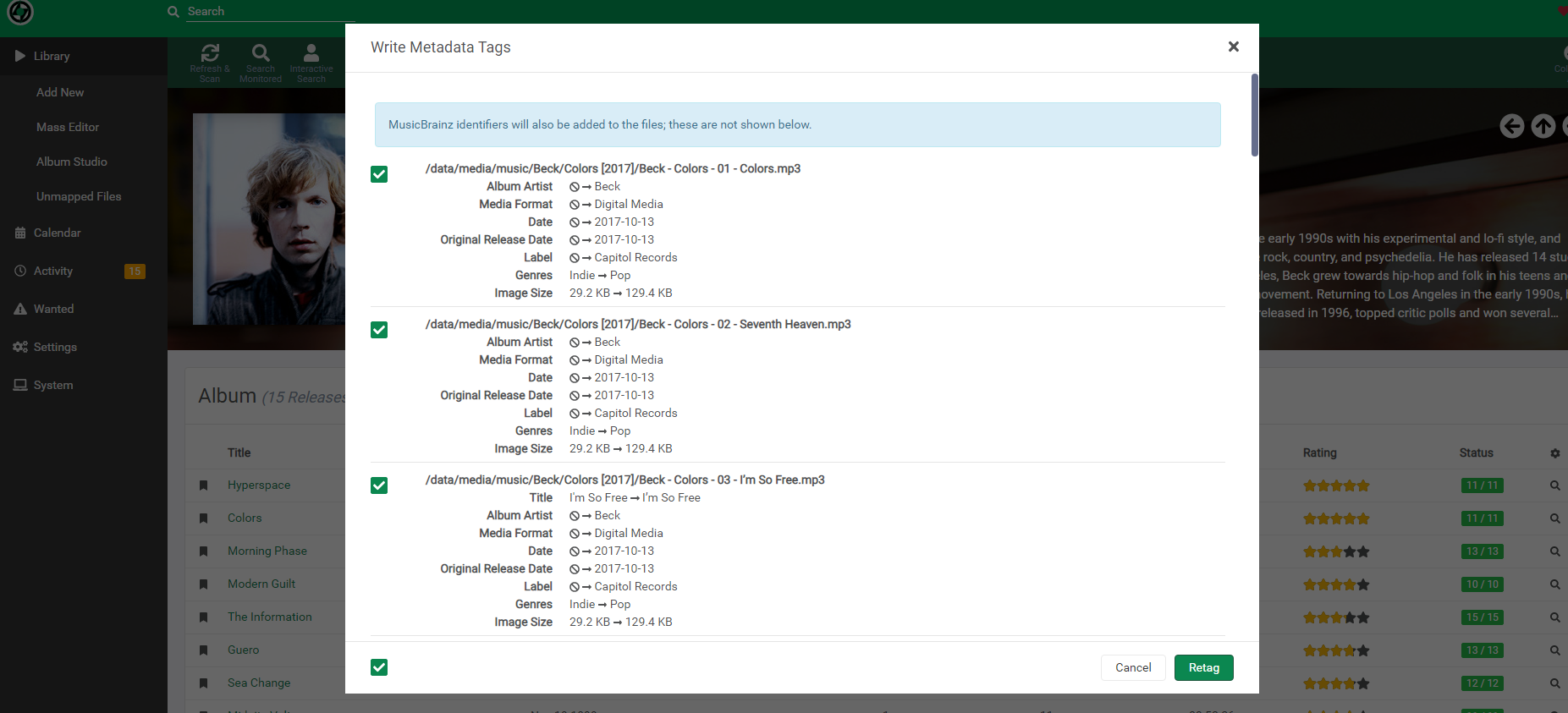
Metadata Writing

Metadata tags a mess? No problem. Lidarr will whip your current library into shape and ensure any new music is tagged correctly and uniformly.

where is system tray

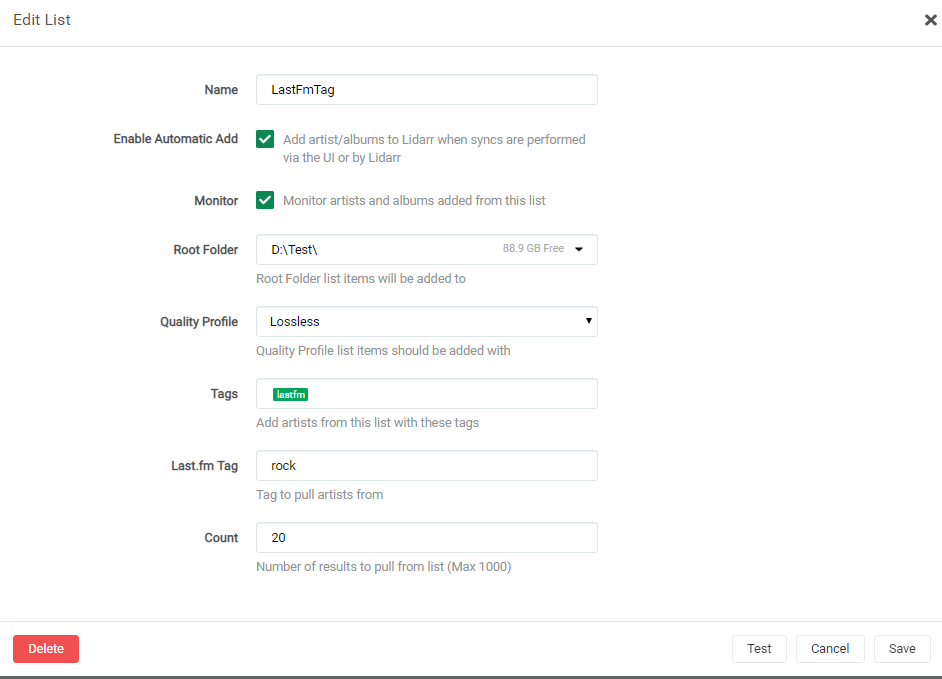
Import Lists

Follow your favorite artists or top 20 albums using import lists. Lists can be used from supported services like Last.FM and Headphones.

“It’s like the janitor’s closet of the operating system,” Mark said. “Everything ends up there to avoid clutter.”

One Tuesday afternoon, her printer stopped working. “Check the system tray,” her coworker Mark said, without looking up.

The system tray (or notification area) is typically located on the right side of the taskbar in Windows (near the clock), on the right side of the menu bar in macOS (via icons like Spotlight or Siri), or on the bottom or top panel in most Linux desktops (like GNOME or KDE).

That night, Elena couldn’t stop thinking about the tray. She realized her whole life had its own system tray—small, ignored signals: a faint headache, a stack of unread letters, the hum of her fridge getting louder. She’d been minimizing them for years.

She opened the lid of her actual printer, freed the crumpled page, and then sat down to open the first letter. The system tray, she decided, might be the most honest place on a computer—if you just remembered to look.

Elena clicked. A hidden panel slid upward, revealing a row of secret inhabitants: an antivirus shield with an urgent red X, a cloud storage icon syncing slowly, and a forgotten USB eject button she’d never used. And there, blinking apologetically, was the printer’s warning: “Paper jam.”

He sighed, walked over, and pointed. “This little arrow. Click it.”

Now, here’s a short story about someone discovering it: Elena had used computers for years, but she’d never noticed the small, crowded corner at the bottom right of her screen. To her, it was just a jumble of tiny icons—a speaker, a battery, a Wi-Fi symbol—background noise in her digital life.
Support